Guide To Hearing First East Finchley
This Listing Changed | Fri, 7 Aug 2026 12:42
Waxfree Guarantee™: The only ear wax removal clinic in East Finchley offering the Waxfree Guarantee™.
We’re the only specialist microsuction ear wax removal clinic in East Finchley providing Microsuction Earwax Removal and Manual Instrument Earwax Removal by our expert Audiologists. All of our earwax removal practitioners are hand-picked by our founder, Jason Levy. We really are the ear wax removal experts in East Finchley.
Our convenient location in East Finchley, North London, also serves Muswell Hill, Church End, Golders Green, Hendon, Hampstead Garden Suburb, Mill Hill, Barnet, Finchley, Highgate, Crouch End, Hornsey, Harringay, Southgate, Whetstone, Arnos Grove, Osidge, Wood Green and Tottenham.
What to Expect from the Local Hearing First Service

Research Catalogue Results for Ear Wax Removal
- The auricular cough reflex: lateralization, prevalence, procedural determinants, and the role of examiner handedness. - van de Loo J, Mayer M, Sharaf K, Eckel H, Jansen L, Klussmann JP, Luers JC., 2026.
- High-definition otoscopic device for humanitarian mission: how i do it. - Lechien JR, Maniaci A, Kipsang MJ, Kibor M, Vaira LA., 2025.
- Use of Castor Oil in Dermatology: A Narrative Review. - Girdler K, Cabatu A, Olds H, Potts GA., 2026.
Source: Europe PMC. These are bibliographic matches, not personalised medical advice or an endorsement of a treatment.
Hearing First East Finchley offers a local ear care and hearing service for people who want practical support with blocked ears, hearing loss worries, or a professional hearing assessment. The clinic places emphasis on clear guidance from qualified audiologists, with treatment options explained in straightforward language. If you are coping with excess ear wax, muffled hearing, or discomfort when using headphones or hearing aids, a booked appointment can help you make sense of the problem and decide on the next step. The service is centred on evidence-based assessment, safe technique, and an individual approach, rather than a rushed high street style consultation. That matters because ear wax build-up can influence hearing, balance, and comfort, and not every ear suits the same removal method. In an independent clinic, the audiologist can judge whether microsuction, manual instrument removal, or further hearing support is the most suitable path. The goal is not only to clear wax, but also to leave you with a clearer understanding of your ear health and any hearing changes that may deserve attention.
Who the Clinic Is Best Suited To
People often book when they notice blocked ears, less clarity on the phone, or a need for a hearing test before deciding about hearing aids. Others attend because wax has built up after using cotton buds, ear plugs, or in-ear devices, all of which can push cerumen further into the canal. The team can also help families with suitable appointments for young people aged 12 to 17, as long as a parent or guardian is present. That wider support makes the clinic useful for routine ear care as well as longer-term hearing management.
Clear Guidance on Ear Wax Removal Methods
Microsuction ear wax removal is often selected because it allows the clinician to remove wax with gentle suction while viewing the ear canal directly. Manual instrument removal may also be suitable, particularly when the wax is dry, compacted, or positioned in a way that makes another method less appropriate. Both approaches are performed by trained audiologists, who examine the ear first and explain any limitations before treatment starts. Clinical judgement matters here, because ears are sensitive and what works well for one person may not suit someone else. If you have a history of ear surgery, perforated eardrum, pain, discharge, or repeated infections, it is important to mention this before treatment so the clinician can decide whether to proceed or refer you for medical advice. Good ear wax removal should feel careful, measured, and open, with enough time for questions. A proper appointment should also include aftercare guidance, so you know how to look after your ears afterwards and when to seek further help if symptoms return.
When One Technique May Be the Better Fit
- Manual instrument removal can help when the wax is firmer and needs a precise, controlled approach.
- Microsuction may be preferred when direct visual control is useful and the wax is soft enough to clear steadily.
- If you have a history of tinnitus or ear sensitivity, the audiologist may adapt the pace and explain each step carefully.
- Some ears need a staged plan, especially if wax is deep, the canal is narrow, or the first attempt does not clear everything.
- Children and teenagers need age-appropriate communication, plus a parent or guardian present for consent and reassurance.
Helpful Aftercare Reminders
After treatment, the ear canal may feel unusually open or sensitive for a short while, which is normal for many people. Avoid cotton buds, because they can irritate the skin and make future impaction more likely. If your hearing still feels blocked after wax has been removed, a hearing assessment may help show whether there is another cause. Where appropriate, the audiologist can talk through the next step in a calm and practical way.
Qualified Audiologists for Safe, Comfortable Ear Wax Removal
Your ears and hearing are delicate, so their care should be left in expert hands. Some providers delegate ear wax removal to lay people and treat it as routine, but we believe it calls for the skill and experience of a trained Audiologist.
At our clinic, only qualified Audiologists perform ear wax removal, and we are committed to providing the highest standard of care. That means your ears are cared for by a specialist with detailed knowledge of ear anatomy and physiology, which helps minimise the risk of injury and supports a safe, effective procedure shaped around your needs. Your hearing is too important to leave to chance.
Hearing First East Finchley – Microsuction Ear Wax Removal N2 Map
Independent Hearing Tests and Practical Advice
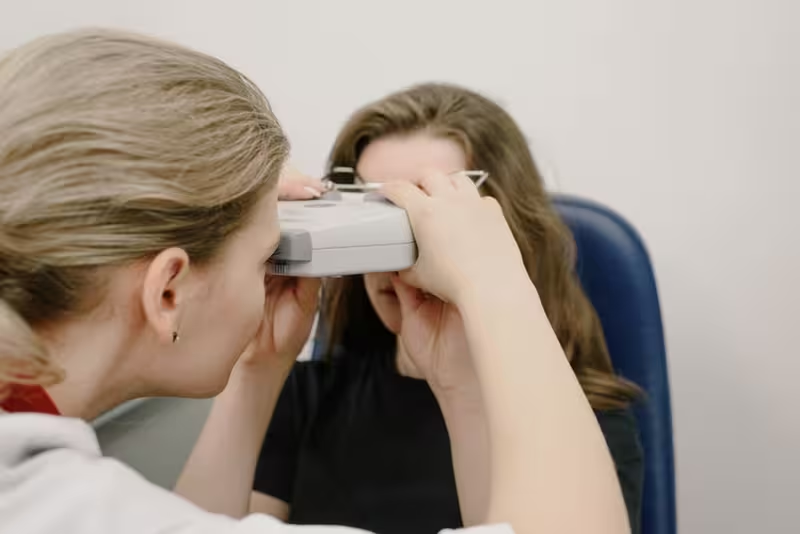
A hearing test at Hearing First East Finchley is designed to measure how well you hear different tones and speech sounds, then explain the results in plain terms. That can be especially useful if you have noticed missed words, turned up the television, or struggled to follow conversation in busy places such as cafes, stations, or family gatherings. The clinic is independent, so the advice you receive is not tied to one hearing aid manufacturer. Instead, the discussion can focus on your daily routine, your budget, and the features that genuinely matter to you. Some people want discreet devices, while others value rechargeable batteries, Bluetooth connectivity, or iPhone compatibility. A good hearing consultation should never feel pressured. It should help you understand your options, the likely benefits, and any practical limits. If hearing aids are not yet right for you, that is useful information too, because it lets you monitor changes and plan future care sensibly. The combination of assessment, interpretation, and impartial guidance gives people a clearer way to manage hearing loss in everyday life.
What Your Hearing Consultation May Include
- Discussion of your hearing concerns, including when you first noticed changes and which listening situations feel hardest.
- Pure tone and speech-based testing where appropriate, so the results reflect both sensitivity and functional hearing.
- Clear explanation of what the findings may mean for communication, work, social life, and safety.
- Impartial comparison of hearing aid styles, including invisible, rechargeable, Bluetooth and smartphone-compatible models.
- Advice on whether immediate fitting, later review, or referral for medical assessment is the right next step.
Why an Independent Clinic Helps
Independent advice can feel easier to trust because the conversation is shaped around your needs, not a single product range. That often means more openness about features, more flexibility in recommendations, and a better match between technology and lifestyle.
How Much Does Ear Wax Removal in East Finchley Cost?
Published Payment Methods
- Credit cards
- Debit cards
- Contactless or NFC payments
Payment information may change. Confirm prices, insurance eligibility and accepted methods directly with the provider. Place attributes are provided by Google Maps.
Ear wax removal in East Finchley starts at £34, and pricing can vary depending on whether it is one or two ears, as well as the booking time, including peak or off-peak periods. It is always sensible to confirm the full price when you book, especially if you want to be clear about what applies to your appointment.
20 Interesting Facts About East Finchley
Here are 20 incredible facts about East Finchley, a suburban area in North London, each highlighting its unique culture, history and landmarks:
- The Archer of East Finchley
A striking 12-foot bronze archer statue by Eric Aumonier (1940) guards the Northern Line station, symbolizing the area’s medieval hunting past. Locals joke it points north to “escape London,” though it aligns with the Tube’s trajectory to High Barnet. - Phoenix Cinema: Oldest in the UK
Opened in 1910 as the East Finchley Picturedrome, this Grade II-listed gem survived WWII bombings and a 1980s closure scare. Its neon sign, added in 1938, still glows—rumored to flicker when classic films play. - Cherry Tree Wood’s “Naked Lady”
A bronze statue titled *Bather* (1914) by Charles Sargeant Jagger stands in this ancient woodland. Dubbed the “Naked Lady,” legend says she comes alive at midnight, her expression shifting to mourn lost lovers. - Ear Wax Removal in East Finchley: Ear wax removal is available from the experts at Hearing First East Finchley on Mondays at The Laboratory Spa in London NW4 near the Fiveways Interchange, with easy access from the A1, A41 and M1 and abundant free onsite parking. Click here to book now.
- Roman Road Underfoot
East Finchley sits atop Watling Street, a Roman road linking London to St Albans. In 2018, builders uncovered 1st-century pottery near Fortis Green, sparking theories of a hidden Roman villa beneath suburban gardens. - Medieval Murder Mystery
In 1294, a monk was stabbed near modern-day East End Road during a feud between Finchley Priory and farmers. The crime remains unsolved—locals claim his ghost haunts the Sainsbury’s car park now on the site. - The “Finchley Ghost” Hoax
In 1904, teens terrorized Church Lane with sheets and lanterns, pretending to be a specter. The prank made national news until exposed. Some still report eerie glows there, blamed on the “ghost’s unfinished business.” - Fortis Green’s Tudor Safehouse
No. 200 Fortis Green Road, a 1580 timber-framed house, hid Catholic priests during the Reformation. Its attic has a secret chapel and a tunnel rumored to lead to All Saints’ Church—now buried under a kebab shop. - WWII Spy Training HQ
A Bedford Road house secretly trained SOE agents in sabotage during WWII. A 1944 explosion during a grenade drill blew out windows, exposing the operation. Neighbors dubbed it “Bang Cottage.” - The Boogaloo’s Secret Bar
This High Road pub hosted Amy Winehouse’s early gigs and hides a Prohibition-style basement behind a fake fridge door. Staff swear Keith Richards’ ghost lingers, searching for a lost whiskey bottle. - Emmeline Pankhurst’s Rally
The suffragette leader defied police bans to speak at Cherry Tree Wood in 1913. A plaque marks the spot, but some claim her voice echoes during protests—”Deeds, not words!” heard in the wind. - Haunted All Saints’ Church
a tombstone reads *”Taken by the Fairies”*—a nod to local folklore about vanished children., Built in 1875, and its graveyard “hosts” a Victorian widow in black. Organists hear phantom choirs - The Lost Finchley Lido
This art deco pool (1931–1993) hosted Olympic trials. After closure, its ruins became a graffiti canvas. Old-timers swear summer nights echo with splashes and Glenn Miller tunes. - Bishops Avenue’s Cursed Mansion
No. 48 on “Millionaires’ Row” lies derelict, allegedly cursed by a 1920s oil magnate who died bankrupt. Squatters held raves there in the 1980s, claiming the ghost DJed with a gramophone. - Shaun of the Dead’s Pub
The Bald Faced Stag (formerly Winchester Pub) starred in Edgar Wright’s 2004 zombie comedy. Fans reenact the film’s “Queen track” scene yearly—staff hide plastic corkscrews to deter overzealous visitors. - Great Storm of 1987’s Survivor
Cherry Tree Wood’s “Naked Lady” statue stood untouched as 100 trees fell. Pagans credit ancient woodland spirits; skeptics say luck. A storm-carved oak bench now bears the date “1987” in moss. - Secret Nuclear Bunker
A Falloden Way house hides a Cold War bunker (1950s) with decaying rations and radiation suits. The owner offers “apocalypse tours”—visitors joke it’s Airbnb’s quirkiest listing. - Open Air Art Heist
East Finchley’s annual art exhibition in Cherry Tree Wood saw a 1993 sculpture made of Tube parts stolen overnight. Artists now chain works to trees, tagging them *”Phantom-proof.”* - The “Finchley Phantom”
A 1990s prankster draped shops in toilet paper and left rubber chickens on doorsteps. His identity remains unknown, though a 2015 resurgence (#PhantomReturns) was traced to a dad’s midlife crisis. - Madonna’s Damp Bedsit
In 1979, a pre-fame Madonna rented a North Hill Road bedsit, calling it “moldy but cheap.” She allegedly wrote *Holiday* lyrics in a café now named “Material Girl Espresso”—though staff deny it.
Hearing Aid Fitting and Ongoing Support
If your hearing test suggests that hearing aids could help, the clinic can guide you through a fitting process tailored to your needs. Modern digital hearing aids are far more adaptable than older devices, with options for rechargeability, remote connectivity, and discreet styling. The right choice depends on how you spend your day, whether you need support in noisy venues, and how comfortable you are with handling small devices. Follow-up care matters just as much as the fitting itself, because most people need fine-tuning once they have worn their aids in real situations. Good aftercare should cover comfort, sound quality, cleaning, battery care, app use, and realistic expectations during the first few weeks. It is also useful to know that hearing aid benefit builds over time as your brain adjusts to new sound patterns. That is why patient support matters. A careful clinic will talk you through maintenance, answer questions, and help you get the best long-term value from your device rather than treating the fitting as a one-off transaction.
Common Areas Covered During Aftercare
- Sound adjustments, which can improve speech clarity in quiet rooms, traffic, or group conversation.
- Comfort checks, so the hearing aid sits securely without creating soreness, feedback, or pressure.
- Review appointments, so the audiologist can respond to how the aids perform in your real routine.
- Bluetooth pairing support for calls, streaming, and everyday phone use where the model allows it.
- Cleaning and storage guidance, especially for users of rechargeable or compact invisible devices.
A Practical Tip for New Wearers
Start with short daily wearing periods if advised, then build up gradually. This helps many first-time users adjust to new sounds without feeling overwhelmed.
Minor Adjustment, Major Impact
Even a small refinement can improve comfort or reduce irritation. If speech sounds too sharp, background noise feels tiring, or one ear seems stronger than the other, tell the audiologist early so the fitting can be tuned properly.
Keep in Mind
Good aftercare is part of good audiology, not an optional extra. It helps ensure that the device remains practical, comfortable, and worth using each day.
Clinic Standards, Safety and the Value of Qualified Audiologists
Ear care should be handled by people who understand the structure and behaviour of the ear canal, not by whoever happens to be available. In a qualified clinic, ear wax removal is carried out by trained audiologists who can assess the ear before any intervention, spot warning signs, and choose a suitable technique. This is important because symptoms that feel like wax can sometimes be linked to infection, skin irritation, fluid, or other causes that need a different response. A careful professional will not simply rush into treatment. They will look, listen, explain, and decide whether the ear is suitable for microsuction or manual removal. That level of care reduces avoidable risk and gives you a clearer picture of your ear health. It also means the appointment can be adjusted if you are anxious, sensitive to sound, or worried about previous ear problems. A safe, respectful consultation should never feel mechanical. It should feel measured, informed, and focused on your wellbeing from start to finish.
What Good Clinical Practice Looks Like
Good practice includes taking a proper history, checking for relevant symptoms, and explaining the plan before any instruments are used. It also means pausing if something does not look right and being willing to recommend medical follow-up rather than forcing a procedure. For many people, that reassurance is just as valuable as the treatment itself, because it shows the clinician is thinking about the whole ear, not only the wax.
Before You Book
If you have ear pain, discharge, sudden hearing loss, dizziness, or bleeding, it is wise to seek urgent medical advice rather than booking routine wax removal first. Those symptoms need careful assessment and should not be treated as ordinary blockage.
Services We Offer
- Microsuction Ear Wax Removal
- Manual Instrument Ear Wax Removal
- Under 18 Microsuction Ear Wax Removal: We provide microsuction ear wax removal for age 12-17 when accompanied by a parent or guardian.
- Impartial Hearing Aid Advice, Fitting and Aftercare: If you want friendly, impartial advice, we are an independent company that is not part-owned by a hearing aid manufacturer, so we can advise you on which model will be the most appropriate, given your unique lifestyle requirements. We supply and fit all the latest digital invisible, rechargeable, bluetooth and iPhone-compatible hearing aids.
- Hearing Tests: We can test your hearing and explain the meaning of your test results – We are not part-owned by a hearing aid manufacturer, so unlike some High Street chains, we won’t offer you a “free” hearing test and then push you to buy hearing aids.
Hearing First East Finchley: Ear Wax Removal & Hearing Aids
Located within Cootes Pharmacy,
URL: https://www.hearingfirst.co.uk/book-ear-wax-removal-near-me/book-microsuction-ear-wax-removal-east-finchley/
View Hearing First East Finchley - Ear Wax Removal & Hearing Aids on Google Maps.
Professional ear wax removal East Finchley Audiologists. Conveniently located inside Cootes Pharmacy opposite Co-op Funeral Care. We are the only ear wax removal clinic in East Finchley that offers The Hearing First Waxfree Guarantee™ , so if you have a blocked ear, book an appointment at our ear wax removal East Finchley clinic. We really are the ear wax removal experts in East Finchley!
Ear Care and Hearing Support in East Finchley
Hearing First East Finchley brings together ear wax removal and hearing support in one local service. Appointments can be especially helpful when a blocked-ear sensation is affecting comfort or day-to-day hearing. The clinic offers both microsuction and manual instrument techniques, allowing the Audiologist to consider the most suitable approach for the individual ear.
- Microsuction ear wax removal for appropriate cases.
- Manual instrument removal performed by an expert Audiologist.
- Ear wax removal for young people aged 12 to 17 when accompanied by a parent or guardian.
- Hearing assessments with an explanation of what the results may mean.
For people thinking about hearing aids, the independent advice described here is intended to focus on lifestyle needs rather than a single manufacturer. Options mentioned include digital, discreet, rechargeable, Bluetooth and iPhone-compatible hearing aids. A hearing test can provide a useful starting point for understanding whether hearing changes warrant further discussion.
- Consider whether ear wax, hearing changes or both are prompting your visit.
- Book an appointment and explain any relevant concerns when arranging it.
- Ask the Audiologist to talk through the available ear care or hearing aid options in clear terms.
Choosing the Right Next Step for Your Hearing in East Finchley
Many people delay ear care or hearing testing until the issue becomes harder to ignore, but earlier help is usually simpler and more effective. If your ears feel blocked, your hearing seems dull, or you are struggling to follow speech, a local appointment can give you answers without delay. The benefit of a specialist clinic is that the same visit can often address wax removal, hearing assessment, and advice about next steps. That joined-up approach can save time and reduce uncertainty. It is especially useful for adults who rely on good hearing at work, parents arranging care for a teenager, or anyone comparing hearing aids for the first time. The most helpful clinics explain what they are doing, why they are doing it, and what you should expect afterwards. They also recognise that hearing changes can affect confidence as much as sound itself. Clear, measured support can make daily life easier, whether the issue is a simple wax blockage or the first signs of a more lasting hearing loss.
Common Reasons People Decide to Book
- You want a hearing test from an independent audiologist who can explain the findings without sales pressure.
- Speech sounds less clear than it used to, particularly in meetings, restaurants, or conversations with more than one person.
- You feel pressure, fullness, or a blocked sensation that does not shift with normal ear cleaning.
- You need a professional to help decide between wax removal, further monitoring, or hearing aid support.
- Your hearing aid seems less effective than before, which can happen if wax is affecting the canal or the fitting.
Final Practical Note
The best next step is usually the simplest one, book an assessment, explain your symptoms clearly, and let a trained audiologist guide the treatment or advice that suits your ears.