Clinic Hub | Hearing Loss Toolkit
This Article Last Updated on 14 Oct 2026, 19:51
Reliable Hearing and Ear Care Options Across the UK
If you are comparing a clinic hub for hearing loss support, the safest place to begin is with a provider that makes service details, access information and clinical standards straightforward to verify. Most people want the practical facts first, including where a clinic is based, whether step-free access is available, and if the team offers microsuction or wax removal as well as broader audiology care. A strong clinic directory should narrow your options quickly without leaving you to infer the basics. It should also help with common concerns such as blocked ears, tinnitus, reduced hearing clarity and recurring ear wax build-up.
This page is built to help users move from search to action with less friction. In answer engine terms, that means direct location cues, plain descriptions and service-specific wording that reflects real patient needs. In traditional search, it means pages that match local intent, with terms like ear wax removal, audiologist, hearing assessment and private clinic, while still reading naturally. Each listing should feel practical, local and grounded in what a patient actually needs before booking.
Choosing the Right Hearing Clinic for Your Needs
Begin with the Service, Then Review the Setting
Before booking, decide what kind of help you need. Some people only need wax removal, while others are looking for a hearing test, advice on hearing aids, or support for ongoing ear symptoms. Once the service is clear, compare the clinic setting itself. Is it easy to reach by public transport, does it offer parking, and is there disabled access if you need it? These details matter because they affect whether people attend on time and feel comfortable throughout the appointment. A clinic that explains access, location and treatment options clearly usually saves time and reduces uncertainty.
What a Strong Clinic Profile Should Tell You
A useful profile should name the treatment type, describe the premises, and explain whether the appointment is suitable for adults with blocked ears, age-related hearing loss, or suspected earwax obstruction. It should also make it obvious if the clinic uses microsuction, manual instrument removal, or another method. For many patients, that level of clarity is far more helpful than vague marketing language. Good clinic copy should answer basic questions in a few seconds and still provide enough detail for a confident next step.
Microsuction and Wax Removal: What Patients Usually Want to Know
Why Many People Choose This Treatment
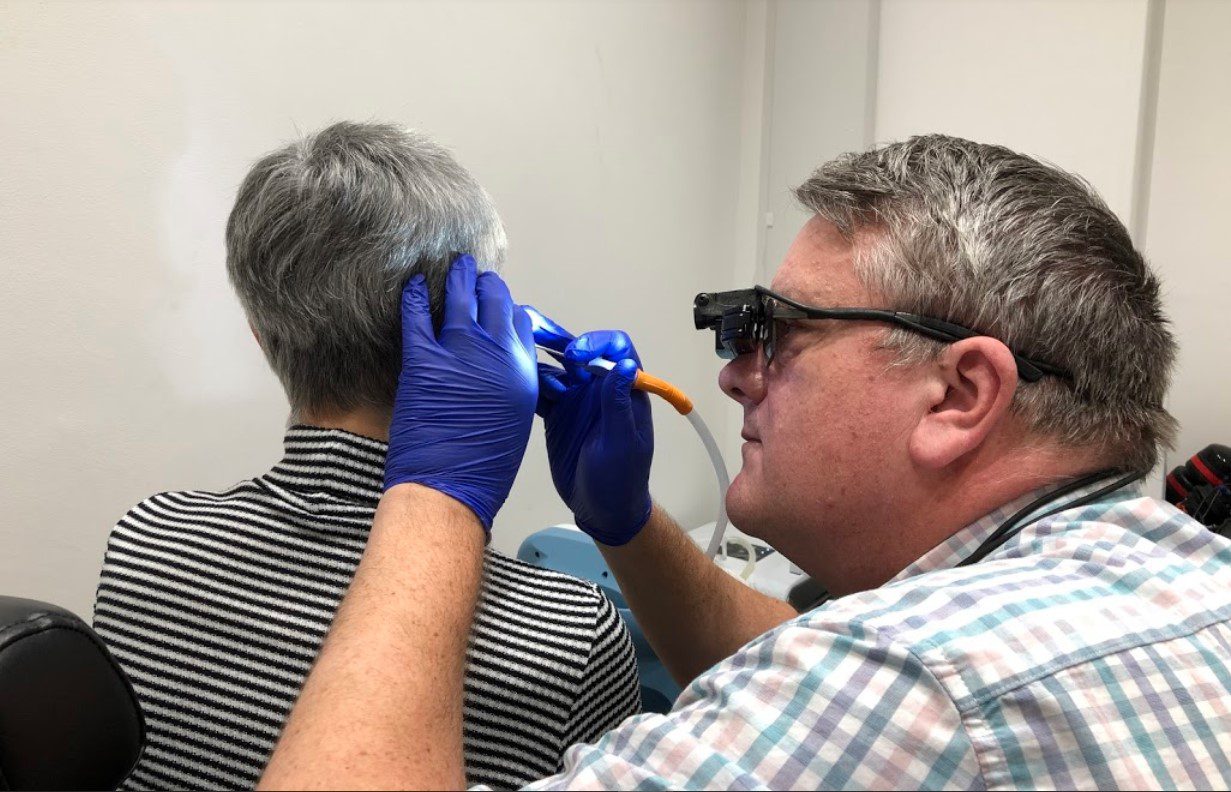
Microsuction is often preferred because trained clinicians can remove ear wax under direct visual control. Many patients choose it when they want a tidy, efficient appointment and a method that does not depend on water irrigation. It can be particularly useful if the ear canal is narrow, sensitive or affected by repeated wax build-up. Some clinics also offer manual removal where it is clinically appropriate. Whatever method is used, patients should expect a proper explanation, a brief history check and clear aftercare advice. That is what builds trust and helps people understand what happens next.
Helpful Questions to Ask Before Booking
- Will the appointment be suitable for one ear or both ears, and how long is the usual time slot?
- Does the clinic offer microsuction, manual removal, or both, and which approach is likely to suit my symptoms best?
- Can the clinic help if I also have tinnitus, blocked ears or reduced hearing that may need further assessment?
- What aftercare advice is given if I experience temporary sensitivity, fullness or mild dizziness after treatment?
- Will the clinician check for signs that suggest I need a GP or NHS referral instead of ear wax removal?
Tip: Choose a Clinic That Explains Clinical Limits
A clinic earns more trust when it is honest about what it can and cannot treat. That matters for safety, especially if you have ear pain, discharge, a recent infection or a history of ear surgery.
Access Information That Makes a Clinic Easier to Use
Good access information is not a nice extra, it is a core part of service quality. Patients often need to know whether a clinic is on the ground floor, whether there is a lift, and how close it is to a station or main road. For someone already coping with reduced hearing or a blocked ear, a confusing arrival process adds stress before the consultation has even started. Clear directions, parking notes and disabled access details reduce that friction. They also help carers, family members and anyone travelling from outside the immediate area.
In the UK, many people search for health services on mobile while they are travelling, so short, direct location copy works well. It should mention the nearest landmark, the route from public transport where relevant, and whether parking is free, paid or limited. This kind of practical detail is useful for answer engines because it supports immediate, location-based intent. It also strengthens user trust, because the information feels current and specific rather than generic.
What to Check Before You Travel
- Look for step-free access if you use a wheelchair, walking aid or need support with stairs.
- Confirm the clinic entrance, especially if the building has shared access, multiple units or an internal reception desk.
- Check whether parking is nearby, on-street, pay and display, or free for a limited time.
- Review any arrival instructions so you know where to go once you reach the site.
- Note the nearest station or major road if you are travelling by train, bus or car.
When It May Be Time to Seek Hearing Support
Common Symptoms People Should Not Ignore
Hearing changes do not always arrive suddenly. For many people, the first signs are subtle, such as asking others to repeat themselves, turning the television up louder than usual, or feeling that one ear is blocked. Some patients also notice tinnitus, muffled speech or discomfort when talking in noisy places. These symptoms can be linked to ear wax, age-related hearing loss, infection or another ear problem, so it is sensible to get checked rather than guessing. A well-run clinic hub should help users understand when to book and what service might be appropriate.
If your hearing feels different in one ear only, or if you have pain, discharge or a sudden change in hearing, you should seek medical advice promptly. In more routine cases, a hearing clinic can assess the cause, check the ear canal and advise whether wax removal, an audiology review or a referral is the right next step. That practical triage is what people need most when they are unsure where to begin.
What Makes a Clinic Listing Truly Useful
Good Content Does More Than Give a Name and Postcode
For local search, a strong clinic listing should do more than name the town. It should tell the reader what treatment is available, who the service suits, and how to get there without unnecessary hassle. It should also avoid inflated claims and focus instead on verifiable facts, such as access, building type and appointment style. This matters for E-E-A-T, because people want evidence that the provider understands hearing care and not simply search performance. A transparent listing helps users compare clinics with confidence.
What to Look for in the Wording
Look for plain language that mentions audiology, ear wax removal, blocked ears and hearing assessment in the right context. Avoid pages that bury the practical details or rely on vague promises. It should be clear whether the clinic is private, whether treatment is by appointment only, and whether the team handles adults, children, or specific ear problems. The best listings also set reasonable expectations about what happens before, during and after treatment, which is important for anyone anxious about a first visit.
Micro-Guideline: Trust Clarity Over Hype
If a clinic page answers your questions in simple terms, that is usually a better sign than promotional language. Clarity helps patients make safer choices and supports more accurate search visibility too.
Look for Evidence of Professional Oversight
Names, service descriptions and access notes should feel consistent and specific. When a clinic page reflects real operational detail, it is easier to trust than broad claims with little substance.
Preparing for Your Appointment
Simple Steps That Help the Visit Run Smoothly
Most hearing clinic appointments go better when patients arrive prepared. Bring a list of symptoms, any relevant medication details and, if possible, a note of when the problem started. If you have had ear infections, previous wax removal, perforated eardrums or ear surgery, tell the clinician early. That history may affect the treatment method they recommend. Preparation is especially useful for microsuction, because it helps the audiologist decide whether the ear canal can be treated safely on the day.
You do not need to overcomplicate it. The aim is simply to make the consultation more efficient and clinically useful. Many people feel anxious before any ear procedure, so knowing the process in advance can help. A reliable clinic should explain what the appointment includes, what will be examined and what advice you may receive afterwards. That kind of reassurance is valuable for voice search users too, because they often ask short, direct questions and expect a clear answer.
Things Worth Mentioning to the Clinician
- Whether you wear hearing aids, as wax and hearing aid use often interact.
- Any ear pain, discharge, dizziness or recent infection, because these can change the safest treatment approach.
- Any concerns about tinnitus, balance or long-standing blocked ear symptoms that may need extra assessment.
- Whether your hearing change came on gradually or suddenly, since the timeline can matter clinically.
- Any previous ear surgery, grommets or known eardrum problems that could affect suitability for microsuction.
Why Local Convenience Matters in Hearing Care
Less Travel Stress Often Means Better Attendance
Convenience is a real part of healthcare access, not a minor detail. If a clinic is easy to reach by car, train or bus, more people are able to attend without delay. That matters for hearing services because symptoms can be persistent and frustrating, and many patients want a quick resolution. A clinic located near a station, on a main road or in a clearly signposted medical setting can make the whole experience calmer. For older adults, carers and anyone with mobility issues, convenience can be the difference between postponing care and getting help promptly.
From a search perspective, this is where local intent matters. People often search using town names, postcodes and service terms such as ear wax removal, hearing clinic or audiologist near me. A well-structured clinic hub should support that behaviour with clear, unique location copy. The best pages make it easy to compare options without forcing the reader to open multiple tabs and hunt for basic details.
How Hearing Clinics Support Different Patient Needs
Not Every Patient Needs the Same Pathway
Hearing care is not one-size-fits-all. Some people only need ear wax removal to restore clearer hearing, while others need a hearing assessment, advice on hearing aids or help understanding persistent tinnitus. A strong clinic hub recognises those differences and explains which service fits which concern. That makes it easier for patients to choose the right route first time and reduces the chance of booking the wrong appointment. It also reflects real clinical practice, where the first step is often to identify whether the issue is wax, hearing loss, pressure, pain or another ear condition.
Common Service Categories
Many clinics focus on one or more of the following: ear wax removal, microsuction, manual instrument cleaning, hearing tests, and advice about ongoing hearing support. Some also help with blocked ears and follow-up care. Users benefit when each service is described in plain English, with enough detail to understand the method and likely outcome. That is especially useful for patients who have delayed care because they were unsure what the clinic actually offered.
Using the Clinic Hub to Compare Options Quickly
Search Behaviour Is Often Short and Intent-Led
People rarely browse hearing services for long. They usually search with a task in mind, compare a few local options and then decide based on access, treatment type and confidence in the clinic. That means the page structure should support fast scanning. Clinic names, locations, treatment descriptions and practical access information should stand out immediately. Readers should not have to decode marketing copy or search for hidden details. The clearer the page, the more likely it is to serve both human visitors and answer engines well.
For the best user experience, each listing should feel distinct, with specific clinic names, local context and a treatment focus that matches the search query. Repetition can make a directory harder to use, while concise facts help people move from curiosity to booking. This is particularly important on mobile, where patients may be reading while dealing with discomfort or reduced hearing clarity and need the answer in seconds.
What Good Comparison Behaviour Looks Like
- Compare the wording for signs of transparency rather than broad claims or empty praise.
- Read the service type first, so you know whether the clinic treats wax, hearing loss or both.
- Check access details next, because parking and step-free entry can affect whether you attend comfortably.
- Look for clinical clarity, such as whether the provider uses microsuction or manual removal.
- Choose the option that feels most practical, safest and easiest to reach.
Questions People Ask Before Booking Hearing Treatment
Clear Answers Reduce Anxiety
Before booking, many patients want to know the same basics: Will it hurt? How long will it take? Do I need a GP referral? What if the problem is not wax? These are sensible questions, and a clinic hub should help answer them in plain language. For wax removal, the clinician should explain the technique, check for any contraindications and set expectations about comfort and possible after-effects. For hearing checks, the focus may be on assessment, interpretation and next steps rather than immediate treatment. Either way, direct copy helps users feel informed rather than rushed.
A useful booking pathway should also make it clear that not every ear symptom is suitable for a straightforward removal appointment. If someone has sudden hearing loss, severe pain or discharge, they may need medical attention instead. This kind of guidance supports safety and demonstrates responsible, patient-centred content. It is also aligned with E-E-A-T, because it shows awareness of clinical boundaries and not just service promotion.
Short Checklist Before You Confirm
- Make sure the location, transport and access details suit your journey.
- Confirm the clinic offers the exact service you need, not just a broad hearing label.
- Choose a slot that gives you enough time to travel without feeling rushed.
- Check whether any symptoms mean you should seek urgent medical advice first.
- Note any prep instructions, such as bringing hearing aid information or symptom history.
Tip: Keep Symptoms Simple and Factual
When you contact the clinic, describe what you are feeling in straightforward terms. Clear symptom details help staff guide you to the right appointment more quickly.
Find your ideal health clinic with our list of trusted clinic providers:

Ashford: Private Microsuction Ear Wax Removal in Ashford Tn24
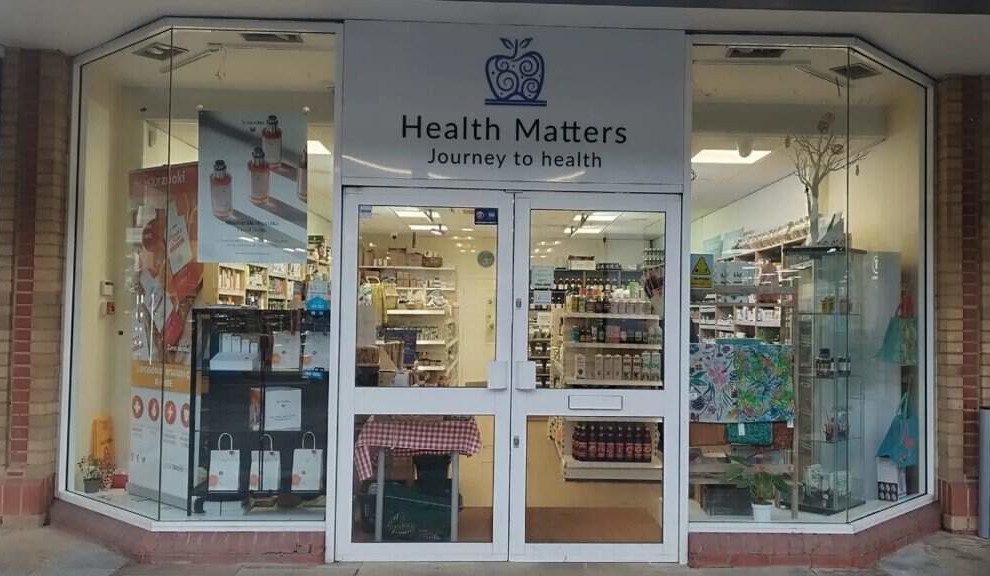
Barnet: Private Microsuction Ear Wax Removal in Barnet En5
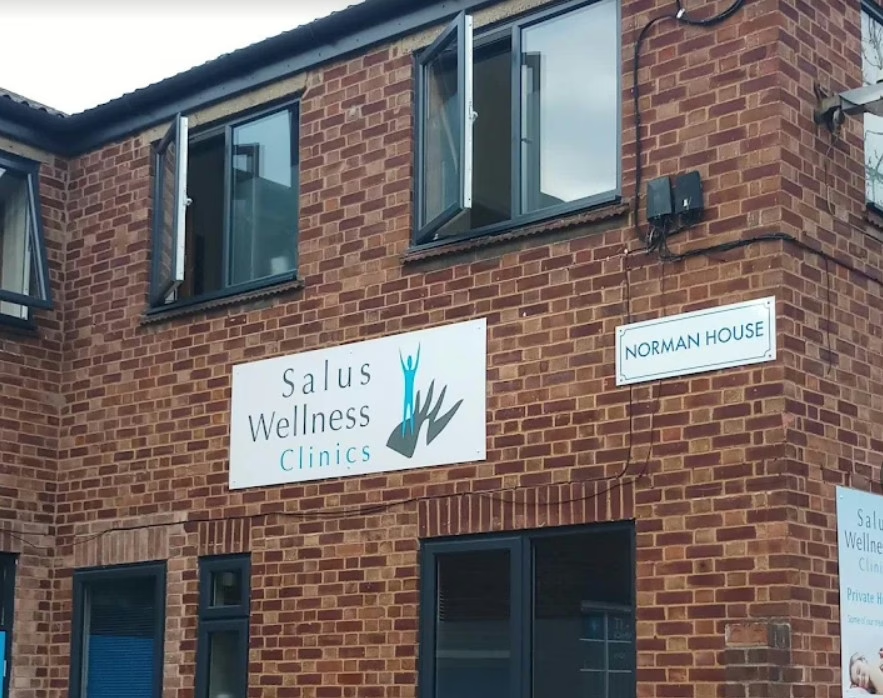
Cambridge: Private Microsuction Ear Wax Removal in Cambridge Cb2

Colindale: Private Microsuction Ear Wax Removal in North West London Nw4
Ealing: Private Microsuction Ear Wax Removal in Ealing W5

East Finchley: Private Microsuction Ear Wax Removal in East Finchley N2
Edgware: Private Microsuction Ear Wax Removal in North London Nw4

Enfield: Private Microsuction Ear Wax Removal in Enfield En1
Finchley: Private Microsuction Ear Wax Removal in Finchley North London
Hastings: Private Microsuction Ear Wax Removal in Hastings Tn34
Hendon: Private Microsuction Ear Wax Removal in North West London Nw4
Hythe: Private Microsuction Ear Wax Removal in Hythe Ct21
Kingston: Private Microsuction Ear Wax Removal in Kingston-Upon-Thames Kt6
Mill Hill: Private Microsuction Ear Wax Removal in North West London Nw4

Milton Keynes: Private Microsuction Ear Wax Removal Mk in Bucks Mk2

Muswell Hill: Private Microsuction Ear Wax Removal in Muswell Hill N2

Oxford: Private Microsuction Ear Wax Removal in Oxford Ox2
Reading: Private Microsuction Ear Wax Removal in Reading Rg30

St Albans – Private Microsuction Ear Wax Removal in St Albans Al1
Surbiton: Private Microsuction Ear Wax Removal in Surbiton Kt6

Watford: Private Microsuction Ear Wax Removal in Watford Wd3

Welwyn Garden City: Private Microsuction Ear Wax Removal in Welwyn Al8
Why E-E-A-T Matters for a Hearing Loss Toolkit
Patients Need Expertise They Can See
Hearing-related content should be written with clear care, because people often use it when they are uncertain, uncomfortable or worried. E-E-A-T matters here because the subject touches on health, diagnosis and possible treatment choices. A strong hearing loss toolkit should use language that sounds informed, measured and clinically aware. It should not overstate benefits, and it should not blur the distinction between wax removal and wider audiology support. That balance helps readers trust the information and helps search systems understand the page purpose.
Good content also reflects experience by addressing the practical problems patients face, such as blocked ears, travel access, appointment anxiety and uncertainty about which clinic to choose. It reflects expertise by using correct terms such as microsuction, audiologist, ear canal and hearing assessment in context. It reflects authoritativeness and trustworthiness by staying specific, avoiding unsupported claims and making room for safe signposting when symptoms are more serious. That is the standard this sort of page should aim for.