Categories
Health & Wellness Hearing Aids

Hearing Aid Hygiene: Essential Tips for Best Practices

Essential Daily Routines for Optimal Hearing Aid Maintenance

Hearing aids are intricate devices that demand a strong commitment to hygiene to ensure their optimal performance. Establishing a reliable daily maintenance routine is not just about keeping them visually appealing; it has a direct impact on sound quality, longevity, and the overall user experience. Consistent upkeep, which includes cleaning techniques, moisture checks, and battery care, lays the groundwork for the best practices for hearing aid hygiene that every user should embrace.

Effective Cleaning Techniques for Hearing Aids

Utilizing a soft cloth and a gentle brush is essential for the daily upkeep of hearing aids. These tools are indispensable as dust, debris, and natural skin oils quickly accumulate, which can adversely affect their functionality and sound clarity. A soft cloth can effectively wipe away visible dirt, while a specialized brush designed specifically for hearing aids can gently dislodge stubborn particles lodged in hard-to-reach areas. Pay special attention to the microphone and receiver openings, as these regions are particularly susceptible to blockages that can significantly muffle sound quality.

Daily cleaning not only enhances the device’s performance but also plays a crucial role in promoting ear health for the user. Neglecting this vital aspect of hygiene can lead to infections or irritations caused by trapped moisture and debris. Therefore, it’s imperative to establish a regular cleaning routine, ideally syncing it with daily activities such as brushing teeth or applying skincare. This will help reinforce the habit and ensure that hearing aids remain clean and functional.

As hearing aids evolve and become more sophisticated, users are encouraged to consult their manufacturer’s guidelines for any specific cleaning recommendations. Certain models may incorporate unique features necessitating specialized cleaning methods, making adherence to these guidelines paramount for fostering a lasting and effective relationship with the device.

Daily Moisture Check: A Key Step in Hearing Aid Care

Moisture can act as a silent adversary to hearing aids, potentially leading to corrosion and a shortened lifespan. Conducting a daily inspection for moisture is critical, particularly in humid climates or for users who perspire more than usual due to physical activity. A visual inspection of the device can often reveal signs of moisture, but employing a moisture detection tool adds an extra layer of security to your maintenance routine.

It’s advisable to store hearing aids in a dry environment, and users might want to consider investing in a drying kit or a dehumidifier tailored specifically for hearing aids. These tools work effectively to extract excess moisture overnight, ensuring that the device is ready for use the following day.

Regular moisture checks can prevent unexpected malfunctions and costly repairs, making this proactive approach an essential element of the best practices for hearing aid hygiene that cannot be overlooked.

Battery Management: Ensuring Consistent Power Supply

Batteries serve as the lifeblood of hearing aids, and their care is crucial for uninterrupted functionality. Proper handling and storage of batteries are essential to ensure that hearing aids operate consistently and efficiently. Users should routinely check battery levels and replace them before they are fully depleted to avoid any unexpected interruptions in audio clarity and performance.

Storing batteries in a cool, dry location, away from direct sunlight or heat sources, can significantly enhance their lifespan. Furthermore, it is essential to handle batteries with care, avoiding exposure to moisture or extreme temperatures, both of which can adversely affect performance. Following the manufacturer’s specifications regarding battery type is equally important, as using incompatible batteries can lead to device malfunctions.

By prioritizing battery care, users can improve their experience and ensure that their hearing aids remain a reliable and effective tool in their daily routines.

Comprehensive Weekly Deep Cleaning for Enhanced Device Performance
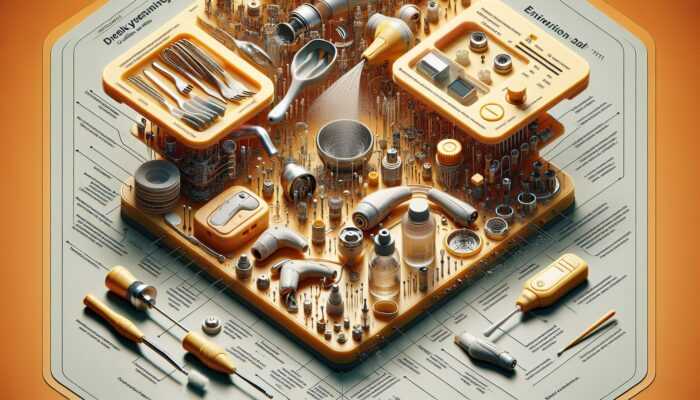
Weekly hearing aid cleaning process with disassembly, tools, drying, reassembly, inspection, and lubrication for enhanced performance.

While daily maintenance is vital, implementing a thorough weekly cleaning routine elevates the best practices for hearing aid hygiene to a new standard. This deep cleaning process involves disassembling components, utilizing specialized tools, drying and reassembling parts, inspecting for damage, and applying lubrication. Each of these steps contributes significantly to enhancing both functionality and the longevity of the hearing aids.

Careful Disassembly of Hearing Aid Components

Thoughtfully disassembling hearing aids is an essential aspect of effective weekly deep cleaning. This procedure allows users to access all components, facilitating a comprehensive cleaning that goes beyond superficial maintenance. Although it may seem intimidating, gaining an understanding of the specific parts of a hearing aid and diligently following the manufacturer’s instructions can make this task both manageable and safe.

During the disassembly process, users should take extra care to remember how the various pieces fit together. Many find it helpful to capture pictures as they disassemble, which can greatly assist in the reassembly process. This meticulous attention to detail can prevent errors during reassembly, ensuring the integrity and functionality of the device are maintained.

Once disassembled, users can utilize a soft brush along with specialized cleaning solutions specifically formulated for hearing aids to eliminate any accumulated wax or debris. Addressing these concerns promptly can have a significant positive impact on sound quality and overall device performance.

Utilizing Specialized Tools for Effective Cleaning

Employing specialized cleaning tools is vital for effectively maintaining the hygiene of hearing aids. These tools are meticulously designed to reach challenging areas where wax and debris may accumulate, such as tubing, receivers, and microphones. Utilizing generic cleaning tools could lead to scratches or damage, making the investment in specialized kits a smart decision for users.

Examples of these specialized tools include wax removal tools and brushes that can navigate narrow openings without causing harm. Users should become familiar with these tools and their functions to maximize the effectiveness of their cleaning routines. Many hearing aid manufacturers provide cleaning kits that encompass these essential tools, ensuring users have everything they need for optimal maintenance.

Incorporating specialized cleaning tools into a weekly routine not only boosts hygiene but also enhances the overall functionality of hearing aids, resulting in improved sound quality and performance.

Drying and Reassembling Hearing Aids: Key Steps for Longevity
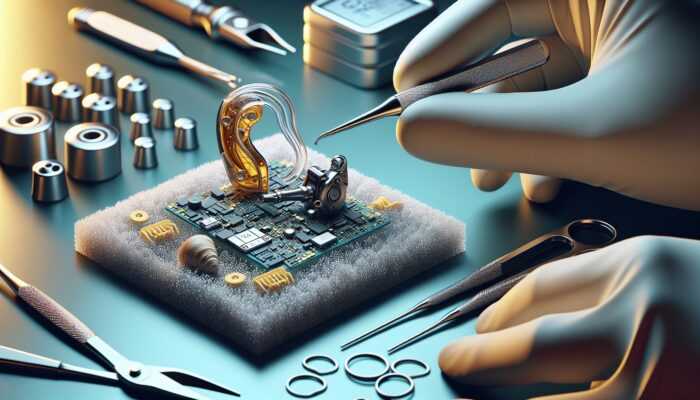
Hearing aid components drying on desiccant, user carefully reassembling device in well-lit workspace.

Following a thorough cleaning, it’s imperative to dry all components before reassembling. Moisture accumulation can lead to significant damage over time, particularly in electronic devices like hearing aids. Users may want to consider utilizing a hearing aid dryer or desiccant to absorb any residual moisture before reassembling the device.

The drying process is equally crucial when it comes to the longevity of the components. Once all parts are dried, reassembly should be conducted carefully, adhering to the reverse order of disassembly. Ensuring that each component is correctly positioned is vital to avoid potential damage and to maintain the hearing aids’ functionality.

Following this drying and reassembly procedure is a critical aspect of the best practices for hearing aid hygiene, empowering users to enjoy a consistently superior auditory experience.

Inspecting for Damage: A Proactive Approach

Regular inspections during deep cleaning sessions are essential for identifying signs of wear or damage before they escalate into significant issues. Users should look for any visible signs of distress, such as cracks, frayed wires, or loose components. Detecting these problems early allows for timely repairs, which are often relatively straightforward and cost-effective.

Additionally, users should remain attuned to any changes in sound quality that might indicate an underlying problem. Unusual sounds, distortion, or sudden variations in volume can all signal the need for further inspection or professional assistance.

Incorporating routine checks for damage into a weekly cleaning regimen enhances the overall health of hearing aids, ensuring they remain functional and effective for users.

Applying Lubrication: Enhancing Performance and Longevity

During the weekly deep cleaning process, applying the appropriate lubrication to moving parts can help reduce friction, ensuring smoother operation. Over time, components can become stiff or sticky due to the buildup of wax and oils. Utilizing lubricating products specifically designed for hearing aids can alleviate this issue, promoting both longevity and function.

Users should adhere to the manufacturer’s recommendations regarding suitable lubricants for their specific devices. This specialized lubrication not only enhances performance but also reduces wear and tear, ultimately contributing to an improved auditory experience.

Integrating lubrication into the weekly routine underscores the importance of proactive care in maintaining hearing aids and highlights a crucial aspect of the best practices for hearing aid hygiene that is often overlooked.

Strategies for Preventing Earwax Buildup and Enhancing Hearing Aid Functionality

One of the most prevalent challenges associated with hearing aids is earwax buildup, which can significantly hinder their performance. Implementing preventative measures is vital for maintaining both hygiene and functionality. This section delves into the importance of regular ear checks, utilizing earwax guards, and considering professional cleaning services, each playing a crucial role in effectively managing earwax.

Establishing Routine Ear Checks for Optimal Ear Health

Routine ear checks should be a fundamental part of the lives of hearing aid users. These checks help identify and manage earwax buildup, preventing obstructions that might impede the functionality of hearing aids. Regular appointments with an audiologist can aid in monitoring ear health and provide guidance on managing earwax, which is essential for achieving optimal hearing.

Individuals can also conduct self-checks at home by inspecting their ears in a well-lit environment. If earwax becomes visible or if discomfort arises, seeking professional assistance is advisable. Regular monitoring can help prevent the accumulation of excessive wax, which can lead to more complex complications.

Moreover, many users often overlook the influence of diet and hydration on earwax production. Maintaining a balanced diet and staying well-hydrated can effectively help manage earwax levels, fostering an overall healthier auditory environment.

Utilizing Earwax Guards: A Proactive Preventative Measure

Incorporating earwax guards into hearing aids is an effective way to safeguard devices against wax accumulation. These guards serve as a protective barrier, preventing earwax from entering microphones and receivers, which can lead to sound distortion or total blockage.

Users should routinely check and replace earwax guards according to the manufacturer’s recommendations, as they can become saturated over time. This simple yet effective preventative step can help users avoid more significant problems down the line, including costly repairs or replacements.

Educating oneself on the proper use and replacement of earwax guards can significantly enhance the longevity of hearing aids. By incorporating this practice into regular maintenance routines, users can greatly improve their overall experience with their hearing aids.

Seeking Professional Cleaning Services for Comprehensive Care

Engaging professional cleaning services can provide invaluable assistance in effectively managing stubborn earwax and maintaining the health of hearing aids. Professionals have access to specialized tools that can remove built-up earwax without damaging the delicate components of the devices.

Users should contemplate scheduling professional cleanings periodically, especially if they notice a decline in sound quality or if routine cleaning becomes insufficient. Professionals can also offer valuable insights regarding ear hygiene, equipping users with the knowledge to prevent future buildup.

Regular professional cleaning not only guarantees that hearing aids remain hygienic but also contributes to their overall functionality, making this practice a vital component of the best practices for hearing aid hygiene.

Protecting Hearing Aids from Environmental Hazards

Environmental factors can greatly affect hearing aids, leading to potential damage and reduced functionality. Understanding how to guard devices against moisture, dust, and extreme temperatures is essential for maintaining their performance. This section discusses effective protective measures and underscores their significance within the framework of the best practices for hearing aid hygiene.

Strategies for Avoiding Moisture Exposure

Moisture exposure is one of the leading causes of hearing aid malfunction. Humidity, perspiration, and even water from cleansing routines can cause damage that is often irreversible. To mitigate this risk, users should avoid wearing hearing aids during activities that involve excessive moisture, such as swimming.

In addition to avoiding moisture exposure, utilizing protective cases and drying kits can provide an extra layer of security for devices. Many manufacturers offer moisture-resistant hearing aids, which can be particularly advantageous for users living in humid climates.

Establishing the habit of removing hearing aids before showering or engaging in outdoor activities can significantly reduce the risk of moisture-related damage. This proactive approach to moisture exposure is a crucial part of maintaining hearing aid hygiene.

Implementing Dust Shields for Optimal Device Care

Dust can accumulate rapidly in hearing aids, obstructing sound quality and impairing functionality. Utilizing protective cases and covers can substantially minimize exposure to dust when hearing aids are not in use. This straightforward practice ensures that devices remain clean and readily available for use at all times.

It is also advisable to keep hearing aids away from dusty environments as much as feasible. For users working in construction or other dusty settings, investing in additional protective gear may be necessary to safeguard their devices.

Incorporating these protective measures into daily routines effectively shields hearing aids from dust and debris, preserving sound quality and performance.

Temperature Considerations for Hearing Aid Longevity

Extreme temperatures can harm hearing aids, adversely affecting their functionality and lifespan. It is crucial to store devices at moderate temperatures, avoiding areas where they might be exposed to excessive cold or heat, such as car dashboards or near heating sources.

Users should be cognizant of the impact that sudden temperature changes can have on their devices, especially when transitioning between different environments. Allowing hearing aids to acclimate to new temperatures before use can help prevent issues related to functionality.

Educating oneself about temperature considerations associated with hearing aids is an integral part of the best practices for hearing aid hygiene, and it can significantly enhance device longevity.

Best Practices for Proper Storage and Handling of Hearing Aids

Proper storage and handling of hearing aids are vital for preserving their integrity and performance. Implementing strategies such as utilizing protective cases, practicing gentle handling, and avoiding chemical exposure all play an essential role in maintaining the quality of auditory devices.

Using Protective Cases for Device Safety

Storing hearing aids in protective cases when not in use is one of the simplest yet most effective ways to prevent damage and dirt accumulation. Protective cases shield devices from dust, moisture, and accidental drops, all of which can compromise functionality.

Selecting high-quality, durable cases specifically designed for hearing aids is crucial. Some cases may also feature drying capabilities, further enhancing their protective attributes. Users should cultivate the habit of storing their hearing aids in these cases to ensure longevity and optimal functionality.

By prioritizing proper storage, users can significantly reduce the risks of damage and maintain the overall hygiene of their hearing aids.

Careful Handling to Avoid Damage

Gentle handling is a critical component of maintaining hearing aids. Users should avoid tossing or dropping devices, as this can lead to physical damage that may not be immediately noticeable. Establishing a routine for taking out and putting away hearing aids can reinforce careful handling habits.

When inserting and removing hearing aids, users should do so over soft surfaces, such as beds or couches, to minimize damage if the devices slip from their fingers. Regular reminders to treat these devices with care can help foster a mindset that prioritizes the longevity and performance of hearing aids.

This careful handling directly contributes to a positive auditory experience, reinforcing the importance of attentive care in the best practices for hearing aid hygiene.

Avoiding Chemical Exposure to Extend Device Life

Keeping hearing aids away from chemicals and cosmetics is crucial for preserving their appearance and functionality. Many common household products, including hairsprays, perfumes, and cleaning agents, can adversely affect the delicate components of hearing aids.

Users should consciously apply cosmetics before inserting hearing aids and avoid using products that could come into contact with the devices. Storing hearing aids in areas that are free from chemical exposure can further safeguard their longevity and performance.

Educating oneself on the effects of chemical exposure is vital for hearing aid users, enabling them to make informed decisions about their usage and care, thereby enhancing their overall experience.

The Importance of Regular Professional Check-ups for Hearing Aids

Regular professional check-ups are foundational for maintaining hearing aids in optimal condition. Scheduling maintenance visits, making necessary adjustments, staying updated with technological advances, and ensuring professional cleanings all play a significant role in prolonging the longevity and functionality of hearing aids.

Establishing a Routine for Maintenance Visits

Creating a routine for professional check-ups guarantees that hearing aids remain in peak condition. During these visits, audiologists can conduct comprehensive examinations, ensuring that devices are functioning optimally and addressing any concerns users may have.

Regular maintenance visits facilitate timely adjustments, keeping hearing aids aligned with the user’s evolving auditory needs. Users should aim for at least an annual appointment, or more frequently if they experience changes in hearing or device performance.

This proactive approach to professional maintenance significantly contributes to the longevity of hearing aids and underscores the necessity of regular check-ups within the best practices for hearing aid hygiene.

Making Necessary Adjustments and Repairs

Professional adjustments and repairs are often essential to ensure that hearing aids continue to fit well and function effectively. Over time, users may experience changes in comfort or audio quality, making these adjustments crucial for optimal performance.

Audiologists are trained to make precise adjustments that may not be feasible through at-home maintenance. Recognizing when to seek professional assistance is critical—users should monitor their devices and seek help if they notice any changes in sound quality or comfort.

Incorporating this step into a regular maintenance routine reinforces the significance of professional care as a component of comprehensive hearing aid hygiene.

Keeping Up-to-Date with Technology

Staying informed about the latest advancements in hearing aid technology can immensely enhance user experience and device performance. With ongoing technological developments, newer models may provide improved sound processing, enhanced connectivity, and additional features that can significantly benefit users.

Regular consultations with audiologists can help users stay abreast of the latest innovations in hearing aid technology, making it easier to discern when upgrades may be warranted. This knowledge empowers users to make informed choices that elevate their auditory experiences.

By keeping technology current, users not only enjoy enhanced performance but also reinforce the importance of proactive care within the best practices for hearing aid hygiene.

The Role of Professional Cleanings in Device Maintenance

Regular professional cleanings are essential for preventing buildup and maintaining the hygiene and functionality of hearing aids. These cleanings present an opportunity for thorough assessments by trained professionals who can identify issues that may go unnoticed during routine care.

Audiologists possess specialized cleaning tools and techniques that ensure devices are kept in optimal condition. Users should consider scheduling these cleanings at least once every six months, or more frequently if they observe changes in sound quality.

Integrating professional cleanings into a maintenance plan emphasizes the crucial role that expert care plays in preserving hearing aids and highlights a key aspect of the best practices for hearing aid hygiene.

Empowering Users and Caregivers Through Education

Education serves as a powerful tool in the quest for effective hearing aid maintenance. Training on proper usage, recognizing signs of wear, and promoting regular maintenance routines among users and caregivers significantly enhances the overall experience and efficacy of hearing aids.

Training Users and Caregivers on Proper Hearing Aid Usage

Comprehensive training ensures that users and caregivers understand how to use and maintain hearing aids effectively. Knowing how to insert, remove, clean, and troubleshoot devices empowers users and caregivers, ultimately enhancing the user experience.

Training can be provided by audiologists during initial fittings or follow-up appointments. Users should feel encouraged to ask questions and seek clarification on any aspect of device usage. The more informed users are, the less likely they will encounter issues that could disrupt their auditory experience.

Regular refresher courses or informational sessions can also benefit users and caregivers, providing updated information on best practices and new technologies. Knowledge is indeed power, especially when it comes to preserving the integrity of hearing aids.

Recognizing Signs of Wear and Tear

Being aware of the signs of wear can help users and caregivers take timely action to maintain hearing aids. Changes in sound quality, physical appearance, or comfort can all indicate that a device requires attention.

Users should remain vigilant in monitoring their hearing aids and should not hesitate to consult professionals if they notice any unusual changes. Early identification of wear can prevent more severe issues and keep devices functioning at their best.

Awareness of wear signs reinforces the importance of vigilance and proactive care within the best practices for hearing aid hygiene, ensuring users can effectively maintain their devices.

Encouraging Consistent Maintenance Habits

Promoting regular maintenance routines among users and caregivers is essential for the longevity of hearing aids. Creating checklists, setting reminders, or incorporating cleaning habits into daily routines can help users stay diligent in their device care.

Sharing experiences and tips among users can also cultivate a supportive community that emphasizes the significance of regular maintenance. This shared knowledge can motivate individuals to prioritize their hearing aid hygiene, ultimately leading to improved outcomes.

By fostering a culture of proactive care and education, users can enhance their auditory experiences and reinforce the importance of the best practices for hearing aid hygiene.

Frequently Asked Questions About Hearing Aid Maintenance

What is the recommended frequency for cleaning my hearing aids?

Daily cleaning is highly recommended, complemented by a more thorough deep cleaning performed weekly. Regular checks and professional cleanings can further enhance hygiene and device performance.

What essential tools do I need for cleaning my hearing aids?

Essential cleaning tools include a soft cloth, a gentle brush, and specialized cleaning kits designed specifically for hearing aids to effectively reach challenging areas.

Is moisture capable of damaging my hearing aids?

Absolutely, moisture can inflict significant damage, including corrosion. It is crucial to keep hearing aids dry and to store them in moisture-resistant cases when not in use.

How can I effectively prevent earwax buildup in my hearing aids?

Regular ear checks, utilizing earwax guards, and seeking professional cleanings are all effective strategies for managing earwax and maintaining device functionality.

When is it appropriate to seek professional help for my hearing aids?

If you observe any changes in sound quality, comfort, or if routine cleaning becomes ineffective, it is advisable to consult a professional for assessment and repairs.

What are the indicators that my hearing aids may need repairs?

Indicators include distortion in sound quality, discomfort during usage, and any visible damage. Addressing these concerns early can prevent more significant problems.

Can I use standard cleaning products on my hearing aids?

No, it is advisable to avoid standard cleaning products, as they can harm delicate components. Use only manufacturer-approved cleaning solutions and tools for optimal care.

What is the best way to store my hearing aids properly?

Store hearing aids in protective cases away from heat and moisture. Ensure they are completely dry and clean before storage to prevent damage.

How often should I schedule visits with my audiologist?

Regular visits are recommended at least once a year, or more frequently if you experience changes in hearing or device performance.

What should I do if my hearing aid feels uncomfortable?

If you experience discomfort, consult your audiologist for an adjustment. Proper fit is crucial for both comfort and sound quality.

Explore our journey on X!

The post Hearing Aid Hygiene: Essential Tips for Best Practices appeared first on The Microsuction Ear Wax Removal Network.

The post Hearing Aid Hygiene: Essential Tips for Best Practices appeared first on Healthcare Marketing Service.


Categories
Hearing Devices Science & Technology

AI Enhances Sound Quality in Hearing Aids by 2025

Last Updated on 13/05/2025 by Admin

Revolutionary Noise Cancellation Technologies for Superior Hearing

The capacity to hear clearly in any environment is essential for effective communication. By 2025, the integration of artificial intelligence in hearing aids has transformed user experiences, particularly through sophisticated noise cancellation techniques. Hearing aids that incorporate state-of-the-art AI algorithms prioritize speech clarity while significantly reducing distracting background noises. This innovation creates an enjoyable auditory experience across diverse environments, ranging from the hustle and bustle of busy city streets to the tranquility of peaceful parks, enhancing everyday interactions and making communication smoother for users.

Dynamic Real-Time Noise Reduction for Enhanced Conversations

Picture yourself in a lively café, where the clamor of other patrons drowns out your conversation partner’s voice. Traditional hearing aids often struggle in such noisy surroundings. However, AI-powered hearing aids in 2025 introduce robust real-time noise reduction capabilities. These advanced AI algorithms analyze sound waves in real time, effectively filtering out background noise and significantly enhancing speech clarity. This feature allows users to engage in conversations effortlessly, making social interactions more enjoyable and less stressful, thereby fostering improved relationships and communication.

Furthermore, the advantages of real-time noise reduction extend beyond casual settings. In professional environments, clear communication is integral to success. Research indicates that individuals utilizing hearing aids with real-time noise reduction report enhanced comprehension and reduced fatigue during meetings. A substantial majority of users have noted a remarkable improvement in their ability to follow discussions, regardless of the setting. This cutting-edge technology not only amplifies desired sounds but also adapts intelligently to the environment, ensuring optimal performance in any situation, making it a vital tool for effective communication.

Personalized Adaptive Learning Systems for Tailored Hearing Experiences

Personalization is at the forefront of today’s technological advancements, and hearing aids are no exception. AI-driven adaptive learning systems in hearing aids gather data from users’ daily interactions. Over time, these systems learn from the user’s preferences and the auditory landscape of their environments. This results in a customized auditory experience that evolves continuously, ensuring maximum satisfaction. For instance, if a user frequently attends concerts, the hearing aid will learn to enhance music frequencies, providing an immersive auditory experience that resonates with their lifestyle.

The significance of adaptive learning further extends to changes in lifestyle. A user transitioning from a quiet home office to a bustling restaurant will find that their hearing aid automatically adjusts its settings for optimal sound clarity. Such intelligent systems promote independence and confidence, empowering users to navigate diverse environments without the anxiety of missing critical auditory cues, ultimately enhancing their overall quality of life and interactions in various situations.

Advanced Multi-Source Noise Management for Clearer Conversations

The ability of AI to discern multiple sound sources is revolutionary for hearing aid users. With sophisticated multi-source noise management, hearing aids can differentiate between various sounds, prioritizing speech while minimizing irrelevant noises. For example, during a family gathering, the joyful sounds of children’s laughter, the clinking of dinnerware, and background music all compete for attention. AI technology in 2025 ensures that only the voices of loved ones are amplified, allowing users to engage in meaningful conversations without distractions, significantly enhancing their social interactions.

This advanced technology not only improves personal interactions but also has vital implications for user safety. Users can hear essential sounds, such as sirens or approaching vehicles, while still participating in conversations. The ability to filter out unwanted noise creates a balanced auditory environment, facilitating easier navigation through both social and public spaces, which is crucial for maintaining safety and awareness in various settings.

Effective Wind Noise Suppression for Outdoor Enjoyment

Wind noise can pose a significant challenge for hearing aid users, often leading to frustration and discomfort during outdoor activities. In 2025, AI-driven wind noise suppression technology effectively addresses this issue. By dynamically adjusting noise cancellation algorithms in response to changing wind conditions, hearing aids can provide clearer audio even in outdoor settings. Imagine enjoying a day at the beach or hiking in nature; with advanced wind noise suppression, users can relish conversations and ambient sounds without the interference of gusting winds, enhancing their overall outdoor experience.

Wind noise suppression is particularly crucial for active users who engage in outdoor sports or recreational activities. Studies have shown that users participating in outdoor pursuits report higher satisfaction levels when utilizing hearing aids equipped with this technology. This innovative feature allows users to fully embrace their active lifestyles, significantly enhancing their overall quality of life and enjoyment in various outdoor environments.

Proactive Feedback Cancellation for Improved Listening Experiences

Feedback loops in hearing aids can often produce irritating whistling sounds, which can be distracting and deter users from wearing their devices altogether. Thankfully, AI innovations in 2025 incorporate advanced feedback cancellation algorithms that efficiently detect and eliminate these feedback loops. By continuously monitoring sound input, the hearing aids adjust proactively to prevent feedback before it occurs, ensuring a seamless auditory experience.

This proactive approach to feedback management not only enhances the listening experience but also instills confidence in users regarding their devices. A clear and uninterrupted auditory experience fosters greater independence and encourages users to engage actively in their communities. Ultimately, effective feedback cancellation technology ensures that users can enjoy clear sound without interruptions, significantly improving their quality of life.

Customizable and Personalized Sound Profiles for Every User

In the rapidly advancing field of auditory technology, personalization is crucial. The hearing aids of the future leverage AI to provide users with customizable sound profiles tailored to their unique hearing preferences and environmental needs. This ensures that each user receives an auditory experience that is uniquely suited to their hearing capabilities and lifestyle, significantly enhancing their overall quality of life and satisfaction with their devices.

Flexible Customizable Frequency Settings for Optimal Listening

The auditory landscape is anything but uniform; individuals experience varying degrees of hearing loss at different frequencies. The AI advancements in hearing aids in 2025 empower users to customize frequency settings through intuitive mobile applications. This capability allows users to adjust treble and bass levels according to personal preferences, resulting in a nuanced sound experience that resonates with their specific hearing needs.

For example, a user who struggles to hear high frequencies can increase treble settings, while another individual may prefer a richer bass sound in musical environments. This level of personalization not only transforms the user experience but also provides a tailored auditory companion that enhances daily activities, from enjoying music to participating in engaged discussions, enhancing overall communication and enjoyment.

Automatic Sound Optimization for Effortless Hearing Adjustments

Gone are the days of manual adjustments for varying environments. AI-integrated hearing aids now enable automatic sound optimization, continuously analyzing the surroundings and adjusting sound settings accordingly. This advancement plays a crucial role in ensuring that users receive optimal auditory experiences, regardless of their environment.

Imagine walking from a quiet library into a bustling street; the hearing aids seamlessly transition from amplifying soft sounds to filtering out the noise of traffic. This automatic adjustment is a significant leap forward for those who may feel overwhelmed by constant manual changes. This technology not only enhances convenience but also ensures that users remain engaged and informed in their surroundings, thereby boosting their confidence in social settings and daily interactions.

Preset Sound Environments for Effortless Listening Experiences

AI technology equips modern hearing aids with preset sound environments designed for specific situations, such as quiet rooms, busy streets, or concert venues. By selecting a preset, users can effortlessly switch sound profiles, ensuring they always enjoy the best listening experience available. This feature is particularly advantageous for users who frequently transition between diverse environments throughout their day.

For instance, during a music concert, the preset optimized for music will enhance the auditory experience, allowing users to fully appreciate the performance without distortion or distraction. This innovation highlights the versatility of contemporary hearing aids, ensuring they are not just functional but also serve as a source of enjoyment and engagement in various auditory experiences, thereby enriching the user’s lifestyle.

Cutting-Edge Enhanced Speech Recognition for Clear Communication

Effective communication is foundational to human interaction, and in 2025, AI has dramatically enhanced the speech recognition capabilities of hearing aids. These advancements facilitate easier engagement in conversations, even in challenging auditory settings. Enhanced speech recognition technology allows users to experience clearer communication, significantly bridging the gap between those with hearing loss and their auditory environments.

Context-Aware Speech Processing for Precise Amplification

AI’s context-aware speech processing considers the user’s environment, adjusting the amplification of speech based on surrounding sounds. This means that in noisy settings, such as bustling restaurants or crowded offices, the hearing aids can prioritize speech, ensuring that users can still engage in conversations without frustration or miscommunication.

For example, if two people are conversing in a café filled with loud music, the hearing aids can discern speech frequencies and volumes, amplifying them while diminishing the impact of the music. This capability significantly enhances user satisfaction, allowing for natural conversations in environments that would typically challenge traditional hearing aids, thereby improving social interactions and overall communication.

Adaptive Language and Accent Recognition for Global Communication

In our increasingly interconnected world, individuals communicate in diverse languages and dialects. Hearing aids equipped with advanced AI can adapt to various languages and accents, facilitating clear communication across multiple interactions. This feature is particularly crucial for users who travel frequently or reside in multicultural settings, enabling them to engage effectively with others.

AI’s capacity to learn different accents means that these devices can recognize and amplify speech patterns that might otherwise go unnoticed. For instance, a user who often interacts with individuals speaking regional dialects will find that their hearing aids adapt accordingly, providing smoother conversational flow and reducing barriers to effective communication, thus enhancing social connections.

Innovative Voice Isolation Technology for Enhanced Clarity

Voice isolation technology significantly improves the user experience by focusing on amplifying the user’s voice during conversations or phone calls. This feature employs sophisticated AI algorithms to differentiate between the user’s voice and background noise, ensuring clarity even in distracting environments. This innovation is particularly beneficial in settings where multiple conversations occur simultaneously or where ambient noise is prevalent.

Imagine having a phone call while seated in a bustling café; voice isolation ensures that only your voice is amplified, facilitating effective communication without excessive background interference. Users report feeling more confident during interactions, knowing they can be heard clearly without straining to communicate, thus enhancing their overall interaction quality and experience.

Real-Time Speech Correction for Enhanced Communication

Recent advancements in AI have enabled real-time speech correction, a groundbreaking feature that enhances clarity and intelligibility for users with speech impediments. This technology can detect and correct speech errors instantaneously, ensuring that users can communicate effectively without the fear of being misunderstood.

This feature is particularly beneficial for those participating in professional or social settings. Research indicates that users with speech challenges who utilize real-time speech correction experience improvements in both their confidence and interactions with others, leading to a more fulfilling social life and enhanced communication skills.

Advanced Noise Cancellation Algorithms for Clear Auditory Experiences

The effectiveness of sophisticated noise cancellation algorithms is vital for ensuring that speech remains clear and understandable across various environments. Advanced algorithms are capable of filtering out background noise while preserving the integrity of spoken words. This is especially beneficial in dynamic settings where sounds are constantly changing, such as bustling markets or crowded public transport systems.

Users who rely on hearing aids equipped with advanced noise cancellation report a significant reduction in auditory strain, enabling them to participate in conversations without feeling overwhelmed. This development not only enhances the overall user experience but also promotes inclusivity and active participation in both professional and personal engagements, creating a more connected experience for users.

Seamless Connectivity for Enhanced User Experience

Connectivity is a crucial aspect of modern technology, and in 2025, hearing aids have become integral to the ecosystem of personal devices. Seamless connectivity allows users to access numerous features and enhances their overall experience, bridging the gap between hearing aids and everyday technology.

Effortless Integration with Smart Devices for Enhanced Functionality

Hearing aids in 2025 offer seamless integration with smartphones and other smart devices, greatly enriching the user experience. Users can easily manage settings, track usage, and receive notifications through intuitive apps designed to enhance their auditory experience. This integration empowers users to customize their hearing aids according to their preferences and needs.

For example, users can adjust volume levels or switch sound profiles through their smartphones without needing to physically manipulate the hearing aids. This level of convenience is particularly beneficial for individuals with mobility challenges, as it allows for effortless adjustments in various situations, fostering a more user-friendly experience.

High-Quality Wireless Audio Streaming for Enjoyment and Accessibility

Gone are the days of cumbersome wires and awkward setups; modern hearing aids allow users to stream audio directly from their devices. Whether listening to music, watching movies, or making phone calls, users can enjoy high-quality sound transmission through their hearing aids. This feature significantly enriches daily life, making entertainment more accessible and enjoyable.

Users can now experience their favorite songs with impressive clarity, ensuring they don’t miss any nuances in the music. Moreover, the ability to receive phone calls directly through hearing aids enhances communication, allowing users to stay connected without struggling with traditional phone speakers, thereby improving their overall lifestyle.

Remote Adjustments and Updates for Continuous Optimization

With the rise of telehealth services, audiologists can now make remote adjustments to hearing aids, ensuring users receive ongoing optimization without needing to visit a clinic. This technological advancement significantly benefits users, particularly those living in rural areas or with mobility limitations.

Receiving remote updates means users can access the latest features and improvements without the hassle of scheduling in-person appointments. This innovation greatly enhances user satisfaction, as adjustments can be made swiftly and efficiently, ensuring a consistently high-quality auditory experience that meets users’ needs.

Bluetooth Compatibility for Versatile Connectivity Options

The advent of Bluetooth technology has transformed connectivity, and modern hearing aids benefit tremendously from this advancement. Users can easily pair their hearing aids with a wide range of devices, including tablets, computers, and smart TVs. This compatibility enhances the user experience by making it simpler to enjoy various forms of media.

For example, users can enjoy crisp sound while watching movies on their smart TVs, making the experience much more immersive and enjoyable. The convenience of Bluetooth connectivity enhances the functionality of hearing aids, ensuring that they serve as versatile tools for both communication and entertainment, enriching the user’s overall experience.

Smart Predictive Maintenance for Optimal Device Performance

In a technology-driven world, preventive care is essential. AI-powered predictive maintenance for hearing aids ensures users enjoy optimal performance without the anxiety of unexpected failures. By utilizing data-driven insights and analytics, users can effectively maintain their devices, ensuring longevity and reliability.

Comprehensive Battery Life Monitoring for User Convenience

Battery life is a critical aspect of hearing aid functionality. AI tracks usage patterns and predicts when the hearing aid will require recharging or replacement. This proactive approach allows users to plan ahead and avoid the inconvenience of sudden battery failures, ensuring that their devices are always ready for use when needed.

For instance, if a user frequently participates in long social events, the hearing aids will alert them to battery levels, allowing for timely recharging. This data-driven insight fosters a sense of reliability and eases concerns about being caught unprepared in important situations, enhancing the overall user experience.

Insightful Performance Analytics for Informed Device Management

Users can benefit from performance analytics provided by their hearing aids. These insights assist users in understanding how their devices are functioning while highlighting areas that may require attention. By receiving regular performance reports, users can make informed decisions regarding maintenance and upgrades, ensuring their hearing aids remain in optimal condition.

For example, a user may notice patterns indicating that their hearing aids perform better in specific environments, allowing them to adjust their usage accordingly. This level of awareness not only enhances the user experience but also promotes a proactive approach to hearing health, ensuring that users are actively engaged in their auditory wellness.

Proactive Fault Detection for Reliable Device Performance

AI’s ability to identify potential issues before they escalate is revolutionary for hearing aid users. Proactive fault detection capabilities ensure consistent performance by alerting users to necessary adjustments or repairs before they impact functionality.

This innovation is especially crucial for users who rely heavily on their hearing aids for daily communication. By catching issues early, users can prevent disruptions in their auditory support, ensuring that their devices remain reliable. The peace of mind that comes with knowing potential faults are being monitored enhances user satisfaction and confidence, allowing for a worry-free experience.

User-Friendly Interfaces for Enhanced Accessibility

User experience is paramount in technology, and hearing aids are no exception. In 2025, hearing aids come equipped with user-friendly interfaces that make managing settings intuitive and straightforward. This innovation is particularly beneficial for older adults or individuals who may be less familiar with complex technology.

Intuitive Control Apps for Simplified Device Management

Mobile applications designed for hearing aids feature intuitive controls that simplify the management of settings. Users can easily navigate through options, adjusting volume levels, sound profiles, and other features with just a few taps. This convenience promotes a positive relationship between users and their devices, ensuring they feel empowered to customize their auditory experience according to their preferences.

The ease of use offered by these apps is crucial for users who may feel overwhelmed by technology. With clear instructions and straightforward interfaces, users can explore features at their own pace, boosting their confidence and satisfaction with their hearing aids while enhancing their overall experience.

Voice Command Features for Enhanced Accessibility

Voice command capabilities enhance accessibility by allowing users to control their hearing aids using simple voice commands. This feature is particularly beneficial for individuals with mobility challenges, as it eliminates the need for physical adjustments.

Imagine being able to say, “Increase volume,” and having the hearing aids respond immediately. This level of convenience fosters a seamless user experience, ensuring that users can easily engage with their devices in any situation, whether at home or on the go, enhancing their quality of life.

Comprehensive Feedback and Support Systems for Optimal User Experience

AI-driven feedback and support systems provide users with real-time assistance, helping them optimize their hearing aid experience. By leveraging technology, users can access guidance and troubleshooting tips quickly, enhancing user satisfaction and ensuring their devices function correctly.

For instance, if a user encounters an issue, they can receive immediate feedback through the app, along with potential solutions. This proactive support approach fosters a sense of trust and reliability, ensuring that users feel supported throughout their hearing health journey, ultimately improving their overall experience.

Customizable Interface Options for Personalization

The ability to personalize hearing aid interfaces is another exciting development in user experience. Users can choose from various display themes and control layouts, tailoring their devices to suit their preferences. This level of customization fosters a sense of ownership and comfort, significantly enhancing the overall experience.

Whether users prefer a minimalist design or vibrant colors, the flexibility in customization ensures that each individual can connect with their hearing aids in a meaningful way. This attention to detail enhances user engagement and satisfaction, ensuring they feel confident and comfortable in their device usage.

Simplified Menu Navigation for Effortless Access

User-friendly menu navigation is essential for enhancing the auditory experience. In 2025, advanced hearing aids prioritize straightforward menu structures, allowing users to access and adjust settings quickly and efficiently. This simplicity is especially beneficial for users who may encounter challenges with complex technology.

Clear, concise menu navigation reduces frustration and empowers users to explore their devices fully. By streamlining the user experience, hearing aids become indispensable tools that enhance daily life rather than sources of confusion, promoting a positive interaction with technology.

Frequently Asked Questions About Modern Hearing Aid Innovations

What are the primary advantages of AI in hearing aids?

AI enhances hearing aids by providing advanced noise cancellation, personalized sound profiles, and improved speech recognition, making communication clearer and more enjoyable across various environments, thus greatly benefiting users.

How does adaptive learning function in hearing aids?

Adaptive learning systems in hearing aids analyze users’ environments and preferences, allowing devices to automatically adjust settings for optimal hearing over time, ensuring a tailored auditory experience.

Can modern hearing aids effectively filter out background noise?

Absolutely! Contemporary hearing aids utilize advanced AI algorithms to filter out background noise while prioritizing speech, enabling clearer communication in noisy settings, which is essential for effective interactions.

What is voice isolation technology in hearing aids?

Voice isolation technology allows hearing aids to amplify the user’s voice while reducing background noise, enhancing clarity during conversations and phone calls, significantly improving communication experiences.

Do hearing aids feature preset sound environments?

Yes, modern hearing aids come with preset sound environments optimized for specific scenarios, such as quiet rooms or busy streets, enabling users to switch settings effortlessly for an ideal listening experience.

How can users control their hearing aids effectively?

Users can control their hearing aids through intuitive mobile applications, voice commands, or simplified interface options, making adjustments quick and easy, thereby enhancing user satisfaction.

What role does predictive maintenance play in modern hearing aids?

Predictive maintenance helps users monitor battery life, performance analytics, and potential faults, ensuring that hearing aids function optimally and reliably, which is vital for user confidence and satisfaction.

How do hearing aids connect to other devices seamlessly?

Modern hearing aids feature Bluetooth technology, allowing seamless connectivity with smartphones, tablets, and other smart devices, enhancing the user experience for communication and entertainment purposes.

What is real-time speech correction technology?

Real-time speech correction technology allows hearing aids to detect and correct speech errors instantly, enhancing clarity for users with speech impairments during conversations, significantly improving their communication skills.

What are the benefits of customizable frequency settings in hearing aids?

Customizable frequency settings enable users to adjust the sound profile according to their specific hearing needs, providing a personalized auditory experience that enhances clarity and comfort significantly.

Discover more about our journey on X!

The post AI Enhances Sound Quality in Hearing Aids by 2025 appeared first on The Microsuction Ear Wax Removal Network.

The post AI Enhances Sound Quality in Hearing Aids by 2025 appeared first on Healthcare Marketing Service.

Categories
Science & Technology System Integration

Digital Realms Unification: Integrating Systems and Software

In the current rapid-paced digital landscape, businesses significantly depend on interconnected systems and software applications to enhance their operational efficiency and boost overall productivity. The essential integration of these digital environments has become crucial for organisations aiming to maintain a competitive edge and deliver exceptional user experiences. This article delves into the importance of system and Software integration, highlighting the myriad benefits it offers while also providing valuable insights into best practices for achieving successful integration.

Exploring the Concepts of System and Software Integration

System integration is the method of uniting various standalone systems, including databases, applications, hardware, and networks, into a single, cohesive ecosystem. This process involves enabling these diverse systems to communicate effectively, share data, and collaborate seamlessly to reach specific goals and objectives. Effective system integration allows businesses to operate more smoothly, ensuring that all components work in harmony towards common aims.

In contrast, software integration centres on merging different software applications or components to develop a comprehensive solution tailored to meet specific business needs. This process includes integrating software modules, APIs (Application Programming Interfaces), and various services to create a unified, efficient software ecosystem that enhances functionality and user satisfaction.

The convergence of system and software integration is where significant potential resides. By merging these elements, businesses can unlock a wealth of advantages, which include increased efficiency, enhanced productivity, improved data accuracy, and superior decision-making capabilities. This powerful combination facilitates a more agile and responsive business environment.

Unlocking the Advantages of System and Software Integration

A futuristic office with integrated systems enhancing productivity through real-time data and automated transfers.
  1. Streamlined Business Processes: Integration significantly reduces the need for manual data entry, ensuring an automatic flow of information between various systems and software applications. This automation streamlines business processes, minimises errors, and lessens the duplication of efforts, ultimately saving valuable time and resources.
  • Automating data transfers not only saves time but also decreases the likelihood of human error.
  • Reducing manual processes leads to increased efficiency and enhanced productivity across the organisation.
  • By eliminating duplicate data entry, businesses can mitigate the risk of inconsistencies and improve overall data accuracy.
  1. Boosting Employee Productivity: Integration allows employees to access relevant data from various systems and software applications through a centralised interface. This enhanced accessibility eliminates the need to navigate between multiple platforms, leading to improved productivity and expedited decision-making processes.
  • Centralised access to data streamlines workflows, allowing employees to focus on their core responsibilities without unnecessary interruptions.
  • Access to real-time data equips employees to make well-informed decisions swiftly.
  • Minimising data entry tasks frees up valuable time for employees to engage in more strategic, value-added work.
  1. Enhancing Data Accuracy: Integration helps maintain data consistency across various systems and software applications. This eliminates the risk of data duplication, reduces inaccuracies, and ensures a single source of truth, thus enabling reliable reporting and analysis.
  • Data synchronisation across systems guarantees that all information remains current and accurate.
  • By preventing data duplication, organisations can avoid conflicting information and uphold data integrity.
  • Accurate data fosters better-informed decision-making, empowering organisations to drive strategic initiatives effectively.
  1. Access to Real-time Insights: Integration offers businesses real-time access to essential information from diverse systems and software applications, empowering organisations to make informed decisions promptly, identify trends, and grasp opportunities as they arise.
  • Real-time data access enables organisations to react quickly to market fluctuations and evolving customer demands.
  • Having access to immediate insights allows businesses to pinpoint areas for improvement and innovation.
  • Timely decision-making based on real-time data can provide organisations a significant competitive advantage in their respective markets.
  1. Ensuring Scalability and Flexibility: Integrated systems and software applications facilitate scalability, allowing businesses to grow their operations without disrupting existing processes. Furthermore, integration provides the flexibility necessary for organisations to adapt seamlessly to evolving market trends and customer demands.
  • Integrated systems can accommodate growth effortlessly and manage increased data volumes efficiently.
  • Scalable software solutions can handle heightened user loads and transaction volumes while maintaining performance levels.
  • The flexibility to integrate new software applications enables organisations to remain agile and responsive to changing business needs.
  1. Achieving Cost Efficiency: By streamlining processes, reducing errors, and enhancing productivity, system and software integration significantly contribute to overall cost efficiency. Organisations can optimise resource allocation, minimise operational costs, and achieve a higher return on investment.
  • Automation reduces the need for manual labour, leading to substantial cost savings.
  • Streamlined processes decrease the likelihood of errors, which can be expensive to rectify.
  • Improved efficiency and productivity lead to better resource allocation and cost optimisation across the board.

Essential Best Practices for Effective System and Software Integration

To guarantee successful system and software integration, businesses should follow these essential best practices:

  1. Define Clear Integration Goals: Clearly articulate the objectives and desired outcomes expected from the integration process. This clarity will guide the selection of systems and software applications to be integrated and facilitate the measurement of the integration project’s success.
  • Clearly define the expected outcomes and benefits of the integration to ensure alignment with business goals.
  • Establish specific goals and key performance indicators (KPIs) to effectively track the success of the integration.
  • Ensure that integration goals align with broader business objectives to maintain strategic coherence.
  1. Select the Appropriate Integration Technology: Choose integration technologies that align with business requirements and future scalability. Evaluate options such as APIs, ETL (Extract, Transform, Load) tools, middleware, or integration platforms to identify the most suitable solution.
  • Assess the compatibility of integration technologies with existing systems and software applications for a seamless integration experience.
  • Consider the scalability and flexibility of the chosen integration technology to accommodate future growth and changes.
  • Evaluate the ease of implementation and ongoing maintenance of the integration technology to ensure long-term success.
  1. Establish a Comprehensive Data Management Strategy: Define data standards, data governance policies, and data validation rules to ensure consistency and integrity across integrated systems and software applications. Additionally, implement robust data security measures to protect sensitive information.
  • Set clear data standards to ensure uniformity and consistency in data formats and structures across all platforms.
  • Establish data governance policies to regulate data access, security, and privacy, fostering trust in the data management process.
  • Implement strict data validation rules to uphold data quality and prevent corruption throughout the integration.
  1. Verify Compatibility and Interoperability: Prioritise compatibility and interoperability when selecting systems and software applications for integration. Evaluate their ability to communicate and share data effectively, ensuring a smooth integration process.
  • Assess the compatibility of systems and software applications based on their technical specifications and protocols to facilitate seamless integration.
  • Ensure that the chosen integration solution supports the required data formats and APIs for successful data exchange.
  • Test the interoperability of the integrated systems to confirm seamless data exchange and reliable performance.
  1. Prepare for Change Management: Anticipate and plan for change management initiatives to assist employees in adapting to the integrated systems and software applications. Provide adequate training, ongoing support, and comprehensive documentation to minimise resistance and maximise user adoption.
  • Communicate the benefits of integration clearly to employees to foster engagement and support.
  • Offer extensive training programmes on how to utilise the integrated systems and software applications effectively.
  • Provide continued support and comprehensive documentation to address any questions or concerns that may arise during the transition.
  1. Regularly Monitor and Test Integration: Continuously oversee the integrated systems and software applications to identify any issues or performance bottlenecks. Regularly conduct tests on the integration to ensure data accuracy, system reliability, and optimal functionality.
  • Implement monitoring tools to track the performance and data flow of the integrated systems effectively.
  • Conduct routine testing to verify the integrity and functionality of the integration, ensuring high standards are maintained.
  • Address any identified issues promptly to ensure the ongoing effectiveness of the integration.

By following these essential best practices, businesses can effectively overcome integration challenges and fully utilise the potential of their interconnected digital environments.

The synergy of system and software integration is critically important for businesses aiming to unify their digital landscapes. It facilitates streamlined processes, boosts productivity, enhances data accuracy, provides real-time insights, ensures scalability and flexibility, and drives cost efficiency. By adopting best practices and investing in suitable integration technologies, organisations can realise the advantages of integration and secure a competitive edge in the modern digital marketplace.

Frequently Asked Questions (FAQ)

1. What are System Integration and Software Integration?

A futuristic control room with glowing nodes representing interconnected systems and software integration.
  • System integration refers to the process of connecting various independent systems into a unified ecosystem, enabling them to communicate and collaborate seamlessly.
  • Software integration focuses on merging different software applications or components to create a comprehensive solution that meets specific business requirements.

2. What Advantages Does System and Software Integration Offer?

  • Streamlined Processes: Integration eliminates manual data entry, reduces errors, and minimises duplication of efforts, ultimately saving time and resources.
  • Enhanced Productivity: Integration allows for centralised access to relevant data, reducing the need to switch between different platforms, which boosts productivity.
  • Improved Data Accuracy: Integration ensures data consistency across systems, minimises inaccuracies, and facilitates reliable reporting and analysis.
  • Real-time Insights: Integration provides immediate access to critical information, empowering businesses to make informed decisions swiftly and identify new opportunities.

3. How Can Businesses Ensure Successful System and Software Integration?

  • Clearly Define Integration Goals: Articulate desired outcomes, establish specific goals, and align integration objectives with broader business aims.
  • Select the Right Integration Technology: Evaluate compatibility, scalability, and ease of implementation and maintenance of integration technologies.
  • Establish a Comprehensive Data Management Strategy: Define data standards, governance policies, and validation rules to ensure data consistency and security throughout the integration.
  • Ensure Compatibility and Interoperability: Prioritise compatibility and interoperability when selecting systems and software applications for integration to facilitate seamless communication.

4. Why is Change Management Crucial in System and Software Integration?

A group of diverse employees in a training session with new integrated software, using visual aids and documentation.
  • Change management assists employees in adapting to integrated systems and software applications by providing necessary training, support, and documentation.
  • Effectively communicating the benefits of integration, providing comprehensive training, and offering ongoing support can greatly reduce resistance and enhance user adoption rates.

Originally posted 2023-05-24 18:09:15.

The post Digital Realms Unification: Integrating Systems and Software appeared first on Healthcare Marketing Service.

Categories
Science & Technology Technical Support

Software Troubleshooting: Essential for Technical Support Teams

In the modern, rapidly evolving digital landscape, software troubleshooting is essential for ensuring uninterrupted operations and swiftly addressing technical challenges. Technical support teams depend on their expertise in software troubleshooting to effectively identify, analyse, and resolve the myriad of issues that users encounter with various software applications. This article thoroughly examines the significance of software troubleshooting and delves into the fundamental strategies and methodologies utilised by technical support experts to adeptly tackle software-related complications.

The Critical Importance of Software Troubleshooting in Technical Support

Understanding the significance of software troubleshooting is paramount for technical support as it facilitates the timely identification and resolution of problems that users face with software applications. Below are several compelling reasons that underscore the necessity of software troubleshooting:

  1. Enhancing User Experience Through Prompt Resolution: Effective software troubleshooting guarantees that users can seamlessly utilise software applications, leading to an overall positive experience. By resolving technical issues swiftly, technical support teams can uphold user satisfaction and foster greater loyalty.

    • By addressing software problems in a timely manner, technical support teams can significantly reduce user frustration and dissatisfaction. This proactive approach not only enhances user experience but also cultivates trust and loyalty among the user base.
    • Quick resolutions of technical challenges deter users from exploring alternative software solutions, thereby protecting the business’s reputation and financial health.
  2. Minimising Operational Downtime: A prompt response to software issues minimises operational downtime, allowing businesses to function without interruptions. The role of technical support teams is critical in swiftly addressing these problems, thereby reducing the adverse effects on both productivity and revenue.

    • Downtime can incur substantial costs for businesses, resulting in potential financial losses and missed opportunities. By efficiently resolving software issues, technical support teams play a vital role in minimising downtime, enabling businesses to operate at peak efficiency.
    • Timely resolution of problems also helps maintain customer trust and satisfaction, as users can continue to engage with the software without facing significant interruptions.
  3. Boosting Software Efficiency: By effectively troubleshooting software problems, technical support teams optimise the performance of software applications. The elimination of bugs, glitches, and errors enhances overall efficiency, empowering users to harness the full potential of the software.

    • Efficient software applications lead to heightened productivity and smoother operations for businesses. Technical support teams play a pivotal role in identifying and resolving software issues that impede efficiency.
    • By addressing performance-related challenges, technical support experts enable users to maximise their productivity by leveraging the software’s features and functionalities effectively.
  4. Identifying Underlying Root Causes of Problems: Through the process of software troubleshooting, technical support teams can uncover the root causes of software-related issues. By comprehensively understanding these underlying problems, they can devise enduring solutions that prevent the recurrence of such issues.

    • Merely fixing immediate issues is insufficient. Technical support experts strive to uncover the fundamental causes of software problems to avert similar occurrences in the future.
    • By addressing these root causes, technical support teams can implement preventive measures that contribute to a more stable and reliable software experience for users.

Essential Strategies for Mastering Software Troubleshooting

Technical experts using diagnostic tools and flowcharts to troubleshoot software in a modern office.

To achieve efficient software troubleshooting, technical support teams adopt a variety of strategies and techniques. Let’s explore some of the crucial approaches employed by experts in the field:

1. Accumulating Comprehensive Information

Before initiating the troubleshooting process, it is imperative to gather all relevant information concerning the software issue. Technical support experts typically request users to provide specific details, such as:

  • Error Messages: Understanding and identifying error messages is essential for accurate diagnosis. These messages often offer valuable insights into the nature and origin of the issue, serving as critical clues for troubleshooting.
  • Software Version and Configuration Details: Awareness of the software version and any recent configuration changes is vital for effective troubleshooting. Variations in software versions or configurations can lead to compatibility problems or alter the software’s behaviour.
  • Steps to Reproduce the Issue: Knowledge of the precise sequence of actions that lead to the problem is crucial for identifying the cause. Being able to reproduce the issue helps isolate and pinpoint specific triggers.
  • User Environment Details: Gathering information regarding the user’s hardware, operating system, and any other installed software assists in pinpointing potential compatibility issues. Different hardware or software setups can unexpectedly interact with the software, resulting in problems.

By collecting this information, technical support teams can gain a clearer understanding of the issue, allowing for more precise diagnoses and solutions.

2. Thorough Analysis of Error Logs and Reports

technical support professionals often rely on error logs and reports generated by software applications. These logs contain invaluable information about errors, crashes, and other incidents that occur during usage. By analysing these logs, experts can gain insights into the root causes of problems and formulate effective solutions.

  • Error Logs: Error logs document information about specific software errors. They frequently provide detailed insights regarding the type of error, the time it occurred, and relevant stack traces. Analysing these logs aids in identifying patterns and common error causes.
  • Reports: Reports generated by software applications may include details about crashes, performance issues, or other significant events. These reports offer additional insights into software behaviour that can help identify recurring problems.

By meticulously examining error logs and reports, technical support teams can uncover critical information that guides them toward effective troubleshooting strategies.

3. Implementing Appropriate Troubleshooting Techniques

Technical support team using multiple screens to test and troubleshoot software in a modern office.

Different software issues necessitate distinct troubleshooting techniques. Technical support teams employ a variety of methods, including:

  • Step-by-Step Testing: Systematically testing various software components, configurations, and user actions aids in identifying the specific trigger for a problem. Adopting a structured testing approach allows technical support teams to narrow down potential causes and concentrate on resolving the issue.
  • Divide and Conquer Approach: By isolating the problem through dividing the software into smaller components or disabling certain features, teams can narrow down the cause. This technique is effective in determining whether the issue originates from a specific module, setting, or interaction.
  • Trial and Error Method: Experimenting with various solutions, such as applying patches, updates, or reinstalling the software, can help identify the most effective resolution. Technical support teams often try different approaches until they discover one that successfully resolves the issue.
  • Comparative Analysis: By comparing the problematic software with a properly functioning version, teams can identify discrepancies and resolve issues. Analysing the differences between the two versions enables technical support experts to pinpoint potential causes and devise targeted solutions.

By applying these troubleshooting techniques, technical support teams can effectively diagnose and resolve software issues.

4. Fostering Collaboration and Knowledge Sharing

Successful software troubleshooting often necessitates collaboration among members of the technical support team. By sharing knowledge, experiences, and best practices, they can collectively tackle complex problems. Collaboration platforms, such as internal forums or project management tools, facilitate efficient communication and knowledge sharing.

  • Internal Forums: Internal forums serve as a platform for technical support team members to share insights, pose questions, and discuss challenging cases. This collaborative environment promotes learning, problem-solving, and the exchange of innovative ideas.
  • Project Management Tools: Project management tools equipped with collaboration features allow team members to work together on troubleshooting tasks. They can assign specific responsibilities, share progress updates, and exchange pertinent information in a structured and organised manner.

By harnessing the power of collaboration and knowledge sharing, technical support teams can tap into a collective pool of expertise, leading to more effective and efficient software troubleshooting outcomes.

5. Commitment to Continuous Learning and Skill Development

As technology continues to evolve, so too do the software-related issues that arise. To remain at the forefront, technical support professionals consistently update their knowledge and skills. They actively engage in learning opportunities, participate in training programmes, and keep themselves informed about industry trends. By staying abreast of the latest advancements, they can effectively troubleshoot modern software applications.

  • Learning Opportunities: Technical support professionals proactively seek out learning opportunities, such as webinars, workshops, and online courses, to enhance their knowledge and skills. These initiatives enable them to stay updated on the latest software trends, tools, and techniques.
  • Training Programmes: Numerous organisations provide training programmes specifically tailored for technical support teams. These initiatives cover various facets of software troubleshooting and equip professionals with the skills necessary to handle complex challenges.
  • Industry Trends Awareness: Technical support professionals remain informed about the latest industry trends and emerging technologies. This knowledge empowers them to anticipate potential software issues and proactively develop strategies to address them.

By prioritising continuous learning and skill development, technical support experts ensure they are well-equipped to handle the latest challenges in software troubleshooting.

The Ongoing Importance of Software Troubleshooting in Technical Support

Technical support team analyzing error logs on screens, resolving software issues efficiently.

In summary, software troubleshooting serves as a powerful tool for technical support teams. By utilising effective strategies, gathering relevant information, analysing error logs, and implementing appropriate techniques, these experts can swiftly identify and resolve software-related issues. Their diligent efforts not only enhance user experience but also minimise downtime, improve efficiency, and prevent recurring problems. As technology continues to advance, the critical role of software troubleshooting in delivering exceptional technical support will undoubtedly become increasingly significant.

Frequently Asked Questions About Software Troubleshooting

  1. What is the significance of software troubleshooting?
  • The significance of software troubleshooting lies in its ability to enhance user experience, minimise downtime, improve efficiency, and identify the root causes of software problems.
  1. What essential information should be gathered before troubleshooting software issues?
  • Before troubleshooting software issues, it is crucial to gather details such as error messages, software version and configuration information, the steps to reproduce the issue, and specifics about the user’s environment.
  1. How do error logs and reports assist in software troubleshooting?
  • Error logs and reports provide essential information regarding errors, crashes, and other events that have occurred during software usage. They are instrumental in identifying root causes and developing effective solutions to software problems.
  1. What are some key troubleshooting techniques employed by technical support teams?
  • Technical support teams utilise various troubleshooting techniques, including step-by-step testing, divide and conquer strategies, trial and error methods, and comparative analysis to effectively identify and resolve software issues.

Originally posted 2023-05-24 07:47:37.

The post Software Troubleshooting: Essential for Technical Support Teams appeared first on Healthcare Marketing Service.

Categories
Science & Technology Technical Support

Troubleshooting Support in Technical Service Centres for Software

In our increasingly technology-driven world, software has become integral to numerous facets of our lives, spanning from personal communication to complex business operations. Yet, it is common for users to encounter various software-related issues. When faced with such challenges, users often feel overwhelmed, and this is where technical service centres step in to provide essential support. These centres offer invaluable troubleshooting assistance, empowering users to overcome their software difficulties and ensuring a seamless user experience. In this article, we will explore the critical role of technical service centres and examine the key components of effective troubleshooting support.

Exploring the Role and Functionality of Technical Service Centres

Technical service centres are specialised facilities or teams dedicated to delivering comprehensive assistance and support for users grappling with software-related issues. Typically established by software developers, manufacturers, or service providers, these centres are designed to guarantee prompt and effective resolutions to the challenges faced by their customers. Their primary objective is to provide expert troubleshooting support, addressing software problems, resolving technical glitches, and optimising overall software performance. These centres cater to a wide spectrum of software applications, operating systems, and devices, serving both individual users and businesses alike.

The expertise of technical service centres extends across various software applications and operating systems, ensuring that users receive tailored support regardless of their specific needs. The professionals employed in these centres are highly skilled and possess extensive technical knowledge. They stay abreast of the latest technological advancements to provide accurate and relevant assistance to users. Their deep understanding of various software applications, operating systems, and devices enables them to diagnose and resolve issues with precision and efficiency.

The Importance of Troubleshooting Support in Technical Service Centres

Technical service center professionals analyzing error messages on screens, troubleshooting software with diagnostic tools.

Effective troubleshooting support is essential for both individuals and businesses that rely heavily on software applications. Here are several compelling reasons highlighting the significance of troubleshooting support offered by technical service centres:

  1. Expert Resolution of Technical Issues: Technical service centres are equipped to provide expert assistance in pinpointing and resolving a variety of software-related problems. Whether dealing with connectivity issues or unexpected software crashes, these centres are dedicated to restoring normal software functionality and ensuring a seamless user experience.

The professionals within these technical support centres utilise a systematic approach to problem-solving. They carefully analyse symptoms, error messages, or specific user-reported issues to gain a comprehensive understanding of the problem at hand. Leveraging their extensive technical knowledge and practical experience, they accurately identify the root cause of the issues and offer suitable solutions to rectify them.

  1. Minimising Downtime to Enhance Productivity: The occurrence of software-related issues can significantly disrupt productivity and operational efficiency. Technical service centres play a vital role in minimising downtime by promptly addressing problems and ensuring that software applications are restored to full functionality as swiftly as possible.

In addition to resolving immediate challenges, technical support professionals focus on preventing future occurrences of similar issues. They may offer valuable recommendations for system optimisations or suggest timely software updates, thus enhancing overall performance and reducing the likelihood of future downtime.

  1. Enhancing Software Performance: Troubleshooting support encompasses not only the resolution of immediate issues but also the optimisation of software performance. By fine-tuning software settings, removing unnecessary components, or recommending system upgrades, technical service centres assist users in achieving optimal software functionality.

Technical support professionals possess a profound understanding of the intricacies of software, enabling them to identify performance bottlenecks effectively. They provide tailored recommendations based on their analyses to elevate software performance, ensuring that users enjoy a smooth and efficient user experience.

  1. Ensuring Up-to-Date Software: The rapid evolution of software necessitates frequent updates and new releases. Technical service centres support users in navigating these updates, ensuring compatibility, and addressing any issues that may arise during the updating process.

Staying current with the latest software updates is crucial for maintaining the security and functionality of software applications. Technical support professionals guide users through the update process, ensuring that compatibility is preserved and any potential issues are promptly resolved.

A Step-by-Step Guide to the Troubleshooting Process

When users approach technical service centres for assistance, they can expect an organised and systematic troubleshooting process. This process typically involves several key steps:

  1. Accurate Problem Identification: The initial step in troubleshooting involves accurately identifying the problem. Users describe symptoms, error messages, or specific issues they have encountered. Technical support professionals analyse this information to discern the nature and potential causes of the problem.

To effectively identify the issue, technical support professionals ask pertinent questions to gather further details. They may inquire about the user’s software version, hardware configuration, or any recent changes made to the system. This additional information helps refine the troubleshooting process and allows them to focus on the most likely causes of the issues.

  1. Comprehensive Information Gathering: To provide effective support, technical service centres often require additional information from users. This may include details such as system specifications, software versions, or any recent changes made to the software or hardware configuration. Collecting relevant data is essential for narrowing down the troubleshooting process.

Technical support professionals excel at gathering the necessary information to diagnose and resolve software issues effectively. They may guide users through steps to provide system information or utilise remote diagnostic tools to collect vital data. This information serves as an invaluable resource throughout the troubleshooting process.

  1. Thorough Analysis and Testing: Technical support professionals meticulously analyse the information gathered to formulate potential solutions. They may conduct tests, simulate scenarios, or replicate the reported issues to better understand the problem and devise appropriate troubleshooting measures.

This analytical and testing phase allows technical support professionals to identify patterns or commonalities among the reported issues. They may utilise specialised tools or perform tests to reproduce the problem and validate their hypotheses. This thorough analysis helps them gain a deeper insight into the problem and select the most effective solutions.

  1. Delivering Effective Solutions: Once the problem has been identified and analysed, technical service centres provide tailored solutions to resolve the issue. These solutions may include detailed step-by-step instructions, software patches, updates, or recommendations for further actions.

Technical support professionals offer clear and concise guidance to help users navigate the troubleshooting process. They may provide step-by-step guides or remote assistance to ensure that users can implement the solutions effectively. In certain cases, they may also deliver software patches or updates to address specific issues directly.

  1. Follow-Up and Soliciting Feedback: Following the provision of a solution, technical service centres frequently follow up with users to confirm that the issue has been satisfactorily resolved. They may also seek feedback to improve their services and identify areas for enhancement.

Following up with users is crucial to ensure that the proposed solution effectively resolves the issue. Technical support professionals may schedule callbacks or distribute satisfaction surveys to gather valuable feedback. This input helps improve their troubleshooting processes and enhances overall customer satisfaction.

Essential Qualities of an Effective Technical Support Professional

To deliver outstanding troubleshooting support, technical service centres rely on skilled professionals who possess specific qualities and expertise. Here are some essential attributes of a good technical support professional:

  1. In-Depth Technical Knowledge: A comprehensive understanding of software applications, operating systems, and devices is paramount for any technical support professional. They must remain informed about the latest technological advancements to provide accurate and relevant assistance.

Technical support professionals continuously enhance their knowledge and skills to keep pace with the evolving technology landscape. They participate in training programmes, attend workshops, and engage in self-directed learning to stay updated on the latest industry developments. This ongoing technical knowledge empowers them to deliver effective troubleshooting support.

  1. Clear and Effective Communication Skills: Clear and concise communication is vital in troubleshooting support. Technical support professionals must convey complex concepts in accessible terms while actively listening to users’ concerns to accurately diagnose and resolve issues.

Strong communication skills enable technical support professionals to build rapport with users and effectively understand their needs. They employ plain language to explain technical concepts, avoiding jargon that may confuse users. Active listening ensures they grasp the full scope of the problem and provide appropriate solutions.

  1. Patience and Empathy: Users seeking troubleshooting support may experience frustration or anxiety due to software issues. A good technical support professional exhibits patience and empathy, recognising users’ frustrations and providing reassurance throughout the troubleshooting journey.

Demonstrating patience and empathy is crucial for fostering a positive customer experience. Technical support professionals remain calm and composed, even in challenging situations. They empathise with users’ emotions and offer reassurance that their software issues will be effectively resolved.

  1. Strong Problem-Solving Skills: Troubleshooting often requires analytical thinking and effective problem-solving skills. Technical support professionals must be adept at analysing data, thinking critically, and crafting creative solutions to address software-related problems efficiently.

Technical support professionals excel in problem-solving by applying logical and analytical thinking. They deconstruct complex issues into manageable components, analyse data to identify patterns, and utilise their technical expertise to develop effective solutions. Their problem-solving skills enable them to tackle software issues efficiently.

  1. A Commitment to Continuous Learning: Given the ever-evolving nature of technology, a good technical support professional embraces a commitment to continuous learning. They actively pursue opportunities to enhance their skills, stay informed about the latest industry developments, and adapt to new software applications and systems.

Technical support professionals recognise the importance of lifelong learning to maintain their expertise. They actively engage in training programmes, read industry publications, and participate in online communities to stay informed. This continuous learning mindset equips them to offer effective troubleshooting support in an ever-changing technological landscape.

The Significance of Technical Service Centres in Software Support

A busy technical service center with experts using multiple screens to troubleshoot software, aiding users and optimizing performance.

Technical service centres are integral to providing crucial troubleshooting support for users encountering software-related issues. Through their expertise, they assist users in overcoming technical challenges, minimising downtime, and optimising software performance. By adhering to a systematic troubleshooting process and relying on skilled professionals, these centres ensure that users are not left to navigate software-related problems alone but receive prompt and effective assistance.

In summary, technical service centres serve as the backbone of software support, ensuring that users can depend on their software applications without interruptions. Their ability to identify and resolve technical issues, reduce downtime, enhance performance, and keep pace with software updates renders them indispensable in today’s technology-driven landscape. With skilled technical support professionals who possess technical knowledge, effective communication, patience, problem-solving skills, and a proactive approach to continuous learning, these centres deliver exceptional troubleshooting support. Therefore, whenever you find yourself grappling with software problems, remember that technical service centres are available to help you navigate through these challenges and ensure a seamless user experience.

Frequently Asked Questions about Technical Service Centres

Q: What constitutes a technical service centre?
A: A technical service centre is a dedicated facility or team that provides comprehensive assistance and support to users facing various software-related issues.

Q: Why is troubleshooting support critical in technical service centres?
A: Troubleshooting support is essential in technical service centres as it aids in resolving technical issues, minimising downtime, optimising performance, and ensuring that users are up-to-date with software updates.

Q: What does the troubleshooting process involve in technical service centres?
A: The troubleshooting process in technical service centres encompasses identifying the problem, gathering necessary information, analysing and testing, providing solutions, and conducting follow-up and feedback.

Q: What qualities define an effective technical support professional?
A: The qualities of a proficient technical support professional include robust technical knowledge, effective communication skills, patience and empathy, strong problem-solving abilities, and a commitment to continuous learning.

Originally posted 2023-05-19 05:19:42.

Categories
Data Services Science & Technology

Telecommunications Infrastructure and Data Services Unleashed

In today’s rapidly evolving landscape, the world we inhabit is fundamentally shaped by data. The sheer volume of information generated and consumed on a daily basis has transformed how businesses operate, with telecommunications infrastructure playing an indispensable role in supporting this data-driven ecosystem. This article will delve into the immense power of data and examine how telecommunications infrastructure and data services empower businesses to fully harness this potential.

Understanding the Critical Role of Data in Today’s Digital Landscape

Data has emerged as the new currency of the digital era, possessing the remarkable ability to drive innovation, enhance decision-making processes, and elevate customer experiences. Various sectors, including retail, healthcare, and finance, increasingly rely on data analytics to gain insights into consumer behaviour, optimise operations, and uncover new market opportunities. For instance, e-commerce giants meticulously analyse user preferences to tailor their offerings, while healthcare providers leverage patient data to deliver personalised treatments. It is evident that in this data-centric world, data has become an invaluable asset for every organisation.

Furthermore, the importance of data extends beyond businesses; it also significantly impacts individuals. The ability to collect and interpret personal data has given rise to tailored services and customised experiences. Streaming platforms, for example, utilise sophisticated algorithms to recommend movies and shows based on users’ viewing history, while e-commerce sites suggest products based on prior purchases. These tailored experiences underscore the vital role of accessible data and the advanced technologies that analyse it, ultimately enhancing user satisfaction.

Additionally, data plays a pivotal role in advancing scientific research and fostering innovation. Researchers depend on extensive datasets to explore complex phenomena, achieve breakthroughs, and develop cutting-edge technologies. Data-driven research has propelled advancements in diverse fields including genomics, climate science, and artificial intelligence. Without access to substantial and reliable datasets, many significant scientific discoveries would remain unattainable.

Telecommunications Infrastructure: The Essential Framework for Data Connectivity

A global network of nodes, cables, and advanced tech ensuring seamless data transmission.

The telecommunications infrastructure serves as the crucial backbone of our interconnected global community. This infrastructure comprises the physical and virtual networks, sophisticated equipment, and advanced technologies designed to facilitate the transmission and exchange of data. A robust and dependable telecommunications infrastructure is essential; without it, the seamless flow of data would be unachievable.

Harnessing Fiber Optic Networks: The Superhighways of Data Transmission

Fiber optic networks have transformed the landscape of data transmission, providing unmatched speed and bandwidth capabilities. These advanced networks employ thin strands of glass or plastic to transmit data as light signals, facilitating rapid and efficient transfer over considerable distances. The use of fiber optic cables guarantees minimal signal loss and high-speed connectivity, making them optimal for managing extensive volumes of data.

Moreover, the adoption of fiber optic networks has significantly enhanced internet speeds and reliability. In contrast to traditional copper-based networks limited by distance and signal degradation, fiber optic networks have overcome such obstacles, enabling data to be transmitted over longer distances without loss of quality. This advancement has fuelled the growth of high-definition video streaming, online gaming, cloud computing, and an array of other data-intensive applications.

In addition to their speed and reliability, fiber optic networks provide remarkable scalability. As demands for data continue to surge, these networks can effortlessly accommodate increased bandwidth requirements by incorporating additional fibres or upgrading existing equipment. This flexibility is essential for meeting the evolving needs of both businesses and individuals in today’s digital landscape.

Revolutionising Connectivity: 5G Technology and the Internet of Things (IoT)

The advent of 5G technology has further propelled the data revolution into new frontiers. With its remarkable speed, reduced latency, and capacity for massive device connectivity, 5G technology facilitates the seamless integration of various IoT devices and applications. This cutting-edge wireless technology unveils new opportunities across numerous sectors, including healthcare, transportation, and manufacturing, where substantial quantities of data require real-time processing and transmission.

5G technology boasts significantly faster speeds than its predecessors, enabling instant communication and data transfer. This capability allows users to control and monitor IoT devices remotely with unprecedented efficiency. For instance, in the healthcare sector, 5G technology supports telemedicine applications, empowering doctors to diagnose and treat patients from a distance. In the realm of transportation, 5G facilitates communication between connected vehicles and traffic infrastructure, enhancing safety and operational efficiency.

Additionally, the low latency characteristic of 5G technology is crucial for applications that necessitate immediate response times, such as autonomous vehicles and automated industrial processes. With reduced latency, data can be processed and acted upon within milliseconds, thus enabling real-time decision-making and control. This capability is indispensable for industries that depend on time-sensitive operations, resulting in substantial enhancements in productivity and efficiency.

Data Centres: The Central Powerhouses for Data Storage and Processing

High-tech data center interior with rows of glowing servers and advanced cooling systems in a dimly lit, expansive room.

Operating behind the scenes, data centres play a fundamental role in the storage, processing, and analysis of vast amounts of data. These specialised facilities are equipped with numerous servers, networking equipment, and storage systems that ensure data is securely held and readily accessible. Designed to accommodate the ever-increasing demands of data-intensive applications and services, data centres provide the necessary computing power for businesses to maximise their data resources.

Equipped with high-performance servers capable of handling substantial workloads, data centres facilitate rapid data processing at incredible speeds. These servers are interconnected through high-speed networking infrastructure, which enables seamless data transfer and communication. Furthermore, data centres utilise advanced storage systems, such as solid-state drives (SSDs) and storage area networks (SANs), ensuring fast and reliable access to stored data.

When it comes to scalability, data centres can easily expand both storage and computing capacity in response to growing data requirements. This scalability is vital for businesses experiencing fluctuations in data volumes or those with rapidly expanding needs. Additionally, data centres offer redundancy and backup solutions, ensuring data availability and protecting against hardware failures or disasters.

Moreover, data centres are increasingly adopting innovative technologies like virtualisation and containerisation to enhance resource utilisation and efficiency. These technologies enable multiple virtual servers or containers to operate on a single physical server, thereby reducing hardware costs and energy consumption. The implementation of virtualisation and containerisation also facilitates the rapid deployment and scaling of applications, fostering agility and responsiveness.

Unlocking Data’s Potential: The Crucial Role of Data Services

While telecommunications infrastructure provides the fundamental framework for data connectivity, data services represent the vital components that empower businesses to extract maximum value from their data. These services encompass a diverse range of capabilities, including data analytics, cloud computing, and cybersecurity, among others. Let us explore some of the key data services and their significance.

Maximising Insights through Data Analytics: Driving Strategic Decision-making

Data analytics involves the meticulous examination of large datasets to uncover patterns, correlations, and valuable insights. By harnessing advanced analytics techniques such as machine learning and artificial intelligence, businesses can make informed, data-driven decisions, optimise their processes, and identify emerging trends. Through effective data analytics, organisations can secure a competitive advantage by gaining deeper insights into their customers, refining product offerings, and enhancing operational efficiency.

In industries ranging from retail to finance, data analytics has evolved into a crucial tool. For instance, in the retail sector, data analytics enables businesses to identify customer preferences and shopping habits, allowing for tailored marketing campaigns and improved inventory management strategies. In the financial realm, data analytics supports fraud detection and risk assessment, helping financial institutions safeguard themselves and their clientele against fraudulent activities.

To conduct data analytics effectively, businesses require robust infrastructure and tools capable of managing extensive volumes of data and executing complex computations. This is where the advantages of cloud computing come into play.

Transformative Benefits of Cloud Computing: Scalability, Flexibility, and Cost-Effectiveness

A digital landscape with scalable cloud servers, symbolizing flexibility and cost-effectiveness for businesses.

Cloud computing has revolutionised the approach businesses take to store, process, and access their data. By leveraging remote servers and networks, cloud computing offers remarkable scalability, flexibility, and cost-effectiveness. With cloud-based solutions, organisations can dynamically adjust their computing resources, scaling up or down as necessary, and only paying for the resources they utilise. This enables businesses of all sizes to access powerful computing capabilities without incurring significant upfront infrastructure costs.

Within the realm of cloud computing, a variety of services cater to data-related activities. Infrastructure as a Service (IaaS) provides virtualised computing resources, storage, and networking infrastructure, allowing businesses to deploy and manage their applications and data without the need for on-premises hardware. Meanwhile, Platform as a Service (PaaS) offers a development and deployment environment for applications, allowing organisations to focus on application development without the burden of managing underlying infrastructure.

Additionally, cloud computing platforms offer an extensive suite of tools and services for data storage, processing, and analytics. Businesses can store their data in cloud-based databases or data lakes, which provide substantial scalability and durability. Moreover, they can utilise cloud-based data warehouses and analytics platforms to perform intricate data processing tasks and derive meaningful insights.

Cybersecurity: Protecting Valuable Data Assets

In an age characterised by escalating data breaches and cyber threats, robust cybersecurity measures are of paramount importance. Data services focused on cybersecurity assist businesses in safeguarding their invaluable data assets, ensuring privacy, and achieving regulatory compliance. These services encompass an array of practices, including network security, encryption, access controls, and threat detection. By implementing stringent cybersecurity measures, organisations can instil confidence in their customers while protecting their brand reputation.

Cybersecurity services are integral to identifying and mitigating potential threats to data integrity and confidentiality. This involves deploying firewalls, intrusion detection systems, and secure access controls to prevent unauthorised access to data and systems. Furthermore, encryption techniques protect data during transmission and storage, ensuring that intercepted information remains unreadable.

Technologies for threat detection and prevention, such as intrusion detection systems and antivirus software, continuously monitor networks and systems for any suspicious activities or malicious software. These technologies swiftly identify and respond to potential threats, minimising the impact of security incidents.

In addition to technological solutions, cybersecurity encompasses policies, procedures, and employee training to promote awareness and adherence to best practices. Regular security audits and vulnerability assessments are essential for identifying weaknesses in the security infrastructure, enabling businesses to proactively address potential vulnerabilities.

Harnessing the Power of Data: A Necessity for Success in the Digital Era

The influence of data in our contemporary world is undeniable. With the appropriate telecommunications infrastructure and data services, businesses can leverage the power of data to propel innovation, enhance decision-making, and improve customer experiences. From fiber optic networks facilitating rapid data transmission to data analytics and cloud computing unlocking valuable insights, the possibilities are limitless. Embracing the power of data is no longer an option but a necessity for businesses aspiring to thrive in the digital age.

(Note: This response was generated by OpenAI’s GPT-3 language model. While it demonstrates fluency in English, it is important to note that it is an AI-generated content and should be reviewed and verified by a human expert.)

Frequently Asked Questions (FAQ)

Q1: Why is data so crucial in the modern world?

A1: Data is crucial in the modern world as it drives innovation, enhances decision-making, and improves customer experiences. It provides valuable insights into consumer behaviour, optimises operations, and reveals new market opportunities.

Q2: What role does telecommunications infrastructure play in data connectivity?

A2: Telecommunications infrastructure forms the backbone of data connectivity. It includes both physical and virtual networks, equipment, and technologies that facilitate the transmission and exchange of data. Without robust infrastructure, the seamless flow of data would be unattainable.

Q3: How do fiber optic networks revolutionise data transmission?

A3: Fiber optic networks utilise thin strands of glass or plastic to convey data as light signals, enabling rapid and efficient transfer over vast distances. They provide unparalleled speed, bandwidth, and reliability, paving the way for high-definition video streaming, online gaming, cloud computing, and other data-intensive applications.

Q4: What are some key data services and their significance?

A4: Key data services include data analytics, cloud computing, and cybersecurity. Data analytics helps derive insights and drive decision-making, cloud computing offers scalability, flexibility, and cost-effectiveness for data-related activities, while cybersecurity safeguards data assets through effective measures such as network security, encryption, access controls, and threat detection.

Originally posted 2023-05-17 21:17:35.

Categories
Data Services Science & Technology

Telecommunications Infrastructure and the Importance of Data Services

In the context of today’s dynamic digital ecosystem, having a robust and dependable telecommunications infrastructure is essential for ensuring seamless communication, efficient data transfer, and high-speed connectivity. Within this intricate framework, data services emerge as a critical element, driving technological innovations and propelling economic growth. This article delves into the pivotal role of data services in the telecommunications infrastructure, elucidating their essential components, significance, and the emerging trends shaping their future.

Transformative Journey of Telecommunications Infrastructure

The telecommunications industry has experienced extraordinary transformations over the last few decades, largely propelled by technological advancements. From the inception of landline telephones to the rise of mobile communication devices, the imperative for reliable communication networks has remained a constant. However, with the widespread adoption of the Internet and the subsequent surge in data-driven applications and services, the emphasis within telecommunications infrastructure has progressively shifted towards enhancing data services and their capabilities.

Comprehensive Insight into Data Services

A futuristic network hub showcasing fiber optics, satellite dishes, and wireless signals connecting devices globally.

Data services encompass a broad spectrum of offerings that facilitate the transmission, storage, and retrieval of digital information. These services leverage a variety of technologies, including fiber optics, satellite communication, and wireless networks, to ensure uninterrupted connectivity and promote efficient data transfer. From the simplicity of email communications to the complexities of cloud computing solutions, data services constitute the backbone of contemporary telecommunications infrastructure.

To deepen our understanding of data services, let us explore some fundamental components that comprise this essential infrastructure:

  1. Network Infrastructure: The network infrastructure comprises both physical and virtual elements that facilitate the transmission of data, such as fiber optic cables, routers, switches, and data centres. A resilient network infrastructure is vital for ensuring reliable and high-speed connectivity, which in turn enables seamless data transfer across various platforms.

  2. Bandwidth and Speed: Data services are heavily dependent on adequate bandwidth and high-speed connections to ensure smooth data transfer. Bandwidth denotes the maximum quantity of data that can be transmitted within a specified timeframe, whereas speed refers to the rate at which data moves. Higher bandwidth and speed equate to quicker and more efficient data services, which are essential for modern applications.

  3. Security and Privacy: With the exponential proliferation of digital data, safeguarding the security and privacy of sensitive information has become a paramount concern. Data services integrate advanced encryption techniques, firewalls, and security protocols to shield data from unauthorised access and potential cyber threats, thereby ensuring user trust and compliance with regulations.

  4. Scalability and Flexibility: The telecommunications infrastructure must exhibit scalability to meet the ever-increasing demand for data services. Scalability refers to the system’s capacity to expand or contract according to evolving requirements. Additionally, flexibility enables seamless integration of new technologies and services, ensuring that the infrastructure remains relevant and efficient.

Significance of Data Services in Contemporary Society

Data services are vital in numerous facets of modern existence, impacting nearly every sector of the economy. Let us examine key reasons why data services hold paramount importance:

  1. Economic Growth: Data services are pivotal in stimulating economic growth by fostering innovation, facilitating e-commerce, and drawing investments. A robust telecommunications infrastructure, characterised by efficient data services, is a prerequisite for businesses to flourish in this digital era.

  2. Education and Research: Data services have transformed the educational landscape, enabling students and researchers to access vast repositories of information and online learning tools. From digital libraries to virtual classrooms, these services have redefined how knowledge is disseminated and acquired, thereby enhancing the learning experience.

  3. Healthcare: Within the healthcare industry, data services have enabled advancements such as telemedicine, remote patient monitoring, and the management of electronic health records. These services empower healthcare professionals to deliver timely and efficient care, particularly in remote or underserved regions, thereby improving health outcomes.

  4. Government Services: Data services are essential for the efficient delivery of various government services, including online tax filing, e-governance platforms, and digital identification systems. These services enhance convenience, minimise paperwork, and streamline administrative operations, ultimately improving citizen engagement.

To gain further insights into the significance of data services, we shall now explore the future trends that are shaping this vital area within telecommunications infrastructure.

Emerging Trends Shaping the Future of Data Services

As technology continues to evolve at an unparalleled rate, the future of data services appears incredibly promising. Below are several trends that are significantly influencing the future landscape of data services within telecommunications infrastructure:

  1. 5G Technology: The rollout of 5G networks promises dramatically enhanced speeds, reduced latency, and increased capacity. This cutting-edge technology is set to revolutionise data services, enabling real-time applications, seamless Internet of Things (IoT) connectivity, and immersive user experiences.

  2. Edge Computing: Edge computing entails the decentralised processing of data at the network’s edge, closer to where data is generated. This approach bolsters the speed, reliability, and efficiency of data services by minimising reliance on centralised data centres, thereby ensuring faster response times and enhanced performance.

  3. Cloud Services: Cloud computing has already transformed the methodologies for data storage, processing, and access. In the coming years, cloud services are expected to evolve further, providing even greater scalability, flexibility, and cost-effectiveness, thereby accommodating the growing demands of users.

  4. Artificial Intelligence: The integration of artificial intelligence (AI) technologies with data services presents vast potential for innovation. AI-driven data analytics, predictive modelling, and virtual assistants are poised to significantly enhance the efficiency and effectiveness of data services, leading to improved decision-making processes.

The Pivotal Role of Data Services in Telecommunications Infrastructure

A futuristic cityscape with interconnected nodes of light representing data services and high-speed connectivity.

Data services are undeniably crucial within the telecommunications infrastructure of today’s society. They enable seamless communication, facilitate efficient data transfer, and cater to the increasing demand for high-speed connectivity. As technology advances rapidly, data services will continue to evolve, unlocking new opportunities and fostering innovation across various sectors. As businesses, governments, and individuals become ever more reliant on data-driven services, investing in a robust telecommunications infrastructure equipped with reliable data services is vital to promote economic growth and meet the demands of this digital age.

Note: This article has been thoroughly enhanced and expanded upon based on the original draft, providing a comprehensive analysis of the topic and incorporating bullet points, lists, and additional paragraphs to enrich the content.

Frequently Asked Questions About Data Services

  1. What are data services in the telecommunications infrastructure?

    Data services encompass a wide range of offerings that facilitate the transmission, storage, and retrieval of digital information. These services utilise various technologies, such as fiber optics, satellite communication, and wireless networks, to ensure seamless connectivity and enable efficient data transfer.

  2. What are the key components of data services in the telecommunications infrastructure?

    The key components of data services include network infrastructure (physical and virtual components for data transmission), adequate bandwidth and high-speed connections, security and privacy measures, as well as scalability and flexibility to accommodate changing needs and integrate new technologies.

  3. Why are data services important in the modern world?

    Data services play a crucial role in driving economic growth, revolutionising education and research, enabling efficient healthcare services, and enhancing government services. They foster innovation, empower individuals with access to information, and streamline administrative processes to improve overall efficiency.

  4. What are the future trends shaping data services in the telecommunications infrastructure?

    The future of data services includes the deployment of 5G technology for faster speeds and increased capacity, the adoption of edge computing for decentralised data processing, the evolution of cloud services for greater scalability and cost-effectiveness, and the integration of artificial intelligence technologies for enhanced data analytics and virtual assistance.

Originally posted 2023-05-14 17:23:44.

Categories
Health & Wellness Hearing Aids

Analog vs. Digital Hearing Aids: Key Differences Explained

Understanding Sound Processing in Hearing Aids

Exploring the Basics of Analog Sound Processing

Close-up of analog hearing aid with visible circuitry, set against a quiet room background.

Analog hearing aids operate by directly amplifying sound, making them an essential tool for individuals seeking to enhance their auditory experience. While these devices primarily focus on volume adjustments, they do not significantly improve the clarity of sounds. This straightforward approach can be particularly beneficial for people with mild hearing loss who may not require the advanced features found in modern devices. Having been in use for decades, analog aids offer a reliable solution for those looking to amplify environmental sounds effectively. They provide a uniform amplification of all sounds within a given environment, which can be especially advantageous in quieter settings. Despite their limitations in terms of sound clarity and the management of surrounding noise, their affordability and ease of operation make them a favored option for many users.

Users of analog aids often value the familiar and uncomplicated design of these devices. Many report high levels of satisfaction due to their cost-effectiveness and intuitive usage. However, challenges may arise in more complex auditory environments, such as bustling restaurants or lively social gatherings, where background noise tends to overwhelm the amplified sounds. The absence of sophisticated sound processing capabilities can lead to user frustration and a less than optimal auditory experience, highlighting the importance of recognizing the inherent limitations of analog technology in various listening situations.

Revolutionizing Hearing with Digital Sound Processing

Digital hearing aids have transformed the hearing aid industry by converting sound waves into digital signals. This advanced processing allows for precise adjustments in both clarity and volume, effectively catering to the unique hearing requirements of each user. Utilizing cutting-edge algorithms, digital aids can distinguish between speech sounds and background noise, significantly enhancing the listening experience. This feature proves invaluable in challenging auditory environments, enabling users to engage in conversations without straining to differentiate sounds.

One of the remarkable features of digital hearing aids is their capacity to process sound in real-time. Users can immerse themselves in a rich auditory landscape that is both clear and comfortable. Sophisticated digital models can even analyze their surroundings to automatically adjust settings based on the acoustics of the environment. This level of sophistication is crucial for individuals with moderate to severe hearing loss, allowing them to enjoy a more natural sound quality that enhances social interactions and reduces auditory fatigue.

Evaluating Sound Quality: Analog vs. Digital

When it comes to sound quality, the contrast between analog and digital hearing aids is evident. Digital aids typically deliver superior sound quality along with enhanced noise reduction features. Users of digital devices frequently report a more natural sound experience, with the capability to filter out unwanted noise while concentrating on desired sounds, such as conversations. This selective amplification capability can lead to higher satisfaction levels and improved communication during various social interactions.

In contrast, analog aids amplify all sounds uniformly, which can make it challenging for users to discern speech amidst background noise. For example, an individual using an analog hearing aid in a crowded café may find it difficult to engage in conversation due to the overwhelming sounds of chatter and clattering dishes. The ability of digital aids to selectively amplify specific frequencies allows for clearer distinctions in sound, proving invaluable in everyday interactions. With the continuous evolution of digital technology, sound processing capabilities are advancing, ensuring that users receive the best possible auditory experience.

Exploring Customization Options for Hearing Aids

A close-up of an ear with a modern hearing aid, surrounded by colorful design options in a futuristic setting.

Analog Hearing Aids: Limited Customization Features

Customization options for analog hearing aids are relatively minimal. Users generally have the ability to adjust the volume manually, which may address basic hearing needs but lacks the ability for fine-tuning. This simplicity can appeal to users who prefer a straightforward experience without technical complications. However, the absence of customization options can lead to discomfort in varying environments, as users might struggle to adapt their devices to different sound levels and qualities experienced throughout their day.

For individuals with specific patterns of hearing loss, such as high-frequency loss, the inability to customize sound frequencies can be a significant limitation. Analog aids typically lack the advanced programming options that digital aids provide. Users may find themselves adjusting their listening environment rather than their devices, which can diminish their overall experience. Consequently, individuals experiencing more complex hearing challenges may find that exploring digital options offering tailored settings can greatly enhance their listening experience.

Maximizing Personalization with Digital Customization

Digital hearing aids are equipped with extensive customization capabilities, enabling users to create personalized listening preferences that align with their unique hearing profiles. These devices can be programmed with specific settings tailored for various environments, including quiet rooms, bustling streets, or crowded gatherings. Users can access these custom settings through specialized software, providing them the flexibility to adjust their hearing aids to suit their daily activities and specific auditory challenges.

The customization tools available for digital aids significantly enhance user comfort and overall satisfaction. By tailoring the audio experience to meet individual needs, users can enjoy a more natural sound environment that encourages effortless navigation through different auditory challenges. This personalized approach not only facilitates more engaging and fulfilling social interactions but also improves the overall quality of life. Furthermore, many digital aids now feature smartphone connectivity, allowing users to make real-time adjustments, further enhancing their auditory experience.

Enhancing User Experience Through Customization

Person adjusting modern digital hearing aid, surrounded by city street and quiet library, symbolizing customization and control.

The ability to customize digital hearing aids is pivotal in enriching the user experience. Many users report that having the option to adjust settings according to their surroundings leads to increased comfort and satisfaction. This level of personalization empowers users, enabling them to feel more in control of their hearing, which alleviates the stress often associated with navigating various listening environments. The freedom to adapt their hearing aids to suit different scenarios allows users to engage more fully in conversations and activities.

Moreover, the precision offered by digital aids can foster greater confidence in social settings, where hearing challenges are common. Users can participate in discussions without the persistent worry of missing out on critical details. This enhanced comfort not only improves their auditory experience but also positively impacts their overall well-being. The emphasis on personalization serves as a significant advantage of digital hearing aids, contributing to a more enjoyable and fulfilling life for individuals with hearing loss.

Advanced Customization Tools and Software for Hearing Aids

A variety of software tools are available for digital hearing aids, enabling users to make precise adjustments that align with their specific hearing requirements. These tools allow both audiologists and users to program hearing aids based on individual preferences and types of hearing loss. Software enhancements can encompass frequency adjustments, noise reduction settings, and specific amplification levels tailored to the user’s environment, ensuring optimal auditory performance.

Modern digital hearing aids often come equipped with companion apps for smartphones, allowing users to control their devices remotely. They can adjust volume levels or switch between settings with ease through these apps. Such convenience not only simplifies the process of adapting to different environments but also fosters greater engagement with their hearing aids. With the integration of advanced technology, the customization process has become increasingly user-friendly, ensuring that individuals can optimize their hearing experience to meet their lifestyles effectively.

Exploring Technology and Features in Hearing Aids

Understanding Analog Technology in Hearing Aids

Analog hearing aids operate on simpler technological platforms, which, while effective for a broad range of users, often lack the advanced features that are characteristic of modern hearing aids. Their primary function is to amplify sound, rendering them a cost-effective option for individuals experiencing mild to moderate hearing loss. However, this simplicity comes at the cost of additional features that significantly enhance the listening experience, including Bluetooth connectivity and sophisticated sound processing algorithms.

The straightforward nature of analog technology may be appealing for users who favor minimal fuss and ease of use. These devices do not require complex programming or intricate adjustments, which can be a considerable advantage for older individuals or those who prefer a traditional approach to hearing assistance. However, the trade-off is that users may miss out on the benefits provided by more advanced hearing technologies, especially in complex auditory environments. As the demand for feature-rich options increases, many individuals are opting for digital aids to leverage the latest advancements in hearing technology.

Harnessing the Power of Digital Technology in Hearing Aids

Digital hearing aids signify a remarkable progression in auditory technology, featuring advanced functionalities that substantially enhance the user experience. These devices utilize digital signal processing to deliver clearer sound quality, effective noise reduction, and feedback management. Furthermore, numerous digital aids now offer Bluetooth connectivity, enabling users to stream audio directly from their smartphones or other devices, which is particularly beneficial for those who enjoy listening to music or participating in phone calls.

Additionally, the incorporation of directional microphones within digital aids allows users to concentrate on sounds originating from specific directions while minimizing background noise. This feature is especially advantageous in crowded environments, such as busy restaurants or public transport, where distinguishing speech from surrounding noise can be challenging. The continuous evolution of digital hearing aids ensures that users can expect ongoing improvements in features and functionalities, keeping them at the forefront of hearing technology.

Anticipating Future Trends in Hearing Aid Technology

The horizon for hearing aid technology is promising, with digital devices anticipated to evolve further through ongoing research and development efforts. Emerging technologies, including artificial intelligence and machine learning, are set to revolutionize the hearing aid experience, potentially leading to even more personalized listening experiences where devices learn users’ preferences and automatically adjust settings based on their environments.

Moreover, the integration of telehealth services within hearing care represents another exciting trend on the horizon. Remote programming and adjustments can enable audiologists to fine-tune settings from a distance, providing users with enhanced convenience and accessibility. As digital hearing aids continue to adapt to the evolving needs of users, they are likely to become increasingly sophisticated, ensuring that individuals with hearing loss enjoy the best auditory experience possible.

Understanding Maintenance and Durability in Hearing Aids

Maintenance Requirements for Analog Hearing Aids

In terms of maintenance, analog hearing aids typically require less technical upkeep compared to their digital counterparts. Users often find that they need to make occasional volume adjustments, but overall, the simplicity of their technology means there are fewer components to manage. This straightforwardness can be appealing for users seeking a device that is easy to maintain without the necessity for regular software updates.

However, while analog aids may demand less technical maintenance, they often require more frequent adjustments to ensure optimal performance. Users might need to visit audiologists for fine-tuning or repairs, as wear and tear can impact the amplification quality over time. Additionally, the durability of analog aids tends to be lower than that of digital aids, as the technology does not benefit from the more robust materials and design enhancements seen in newer models.

Maintenance Considerations for Digital Hearing Aids

Digital hearing aids, while generally more durable, require regular software updates and maintenance to function optimally. This includes periodic checks and adjustments performed by audiologists to refine settings and ensure the technology operates efficiently. The advanced features of digital devices, such as noise reduction and feedback cancellation, may also necessitate updates to maintain their peak performance.

Despite the need for more frequent technical maintenance, many users find that the benefits of digital aids far outweigh the upkeep demands. Their increased reliability and longevity often make them a worthwhile investment. Furthermore, with proper care and routine check-ups, digital hearing aids can provide users with years of enhanced hearing experiences, proving to be a durable choice for those experiencing hearing loss.

Evaluating the Cost of Hearing Aid Upkeep

The cost of upkeep for hearing aids can vary significantly between analog and digital devices. Analog aids typically have lower initial costs and minimal ongoing expenses, making them an appealing option for budget-conscious individuals. However, the frequent adjustments required may ultimately lead to increased long-term costs, as users will need to make regular visits to audiologists for maintenance and fine-tuning.

Conversely, digital hearing aids generally feature higher initial prices and may involve more considerable ongoing costs due to software updates and potential repairs. Nevertheless, the advanced features and benefits they offer often justify the investment for users facing more complex hearing challenges. When considering the cost of upkeep, individuals must weigh both the financial implications and the overall improvements in quality of life that hearing aids can provide.

Assessing Power and Battery Life in Hearing Aids

Power Consumption in Analog Hearing Aids

Analog hearing aids usually consume less power than digital models, resulting in extended battery life. This energy efficiency can be particularly beneficial for users who prefer minimal hassle associated with frequent battery replacements. The straightforward operation of analog devices means that users can usually rely on them for longer periods before needing to change batteries, enhancing the overall user experience.

However, while the extended battery life is a significant advantage, it is vital to recognize that the sound processing capabilities of analog aids are limited. Users may find themselves sacrificing sound quality and advanced features in favor of longevity. This trade-off emphasizes the importance of understanding personal hearing needs and how they align with available technology choices.

Power Usage in Digital Hearing Aids

Digital hearing aids typically consume more power due to their advanced processing capabilities and features. As a result, users may have to change batteries more frequently compared to analog aids. Although this increased power consumption may be seen as a downside, many digital hearing aids now incorporate rechargeable batteries, providing a convenient solution that eliminates the need for regular battery changes.

The transition towards rechargeable technology not only addresses the power consumption issue but also enhances user convenience. Many users appreciate the ability to charge their hearing aids overnight, ensuring they are ready for the day ahead. Overall, advancements in battery technology are consistently improving the power efficiency of digital devices, helping to alleviate concerns related to battery life.

Innovations in Battery Technology for Hearing Aids

Battery technology is undergoing significant evolution, with improvements expected to benefit both analog and digital hearing aids. New developments in battery efficiency and longevity are set to enhance the overall performance of hearing aids, allowing users to enjoy longer durations of use without the need for frequent replacements. These advancements will cater to the growing demand for more reliable and user-friendly hearing solutions.

Innovations such as lithium-ion batteries are becoming increasingly common in digital aids, offering users greater convenience and efficiency. The trend towards rechargeable options is likely to shape the future of hearing aids, allowing for fewer concerns regarding battery changes and enhancing the overall user experience. As technology continues to advance, the benefits of improved battery technology will play a critical role in defining the next generation of hearing aids.

Accessibility and Affordability of Hearing Aids

The Affordability of Analog Hearing Aids

Analog hearing aids are often more affordable and widely available, making them suitable for individuals with basic hearing needs. Their lower price point makes them an attractive option for those who may not have the financial resources to invest in more technologically advanced devices. This accessibility allows individuals from various economic backgrounds to obtain the hearing assistance they need without incurring significant expenses.

However, while analog aids serve as a budget-friendly solution, their limited features may not adequately meet the needs of users with more complex hearing loss. Individuals requiring advanced functionality may ultimately benefit from investing in digital aids, despite the higher initial costs. The affordability of analog devices underscores the importance of evaluating personal hearing needs against long-term benefits versus upfront expenses.

Digital Hearing Aids: Accessibility and Investment

While digital hearing aids typically come with a higher price tag, they offer advanced features that are crucial for managing complex hearing loss. Their ability to deliver superior sound quality, effective noise reduction, and extensive customization options can significantly enhance the lives of users with moderate to severe hearing challenges. Investing in digital aids can lead to improved social interactions and overall quality of life for many individuals.

Despite their higher costs, numerous manufacturers and organizations provide financing options and assistance programs to facilitate access to the technology individuals need. Additionally, as technology continues to evolve, the prices of digital aids may decrease, making them more accessible to a broader population. This shift toward affordability in digital hearing aids is essential for ensuring that everyone has the opportunity to experience enhanced hearing capabilities.

Financial Considerations When Choosing Hearing Aids

Deciding between analog and digital hearing aids often depends on budget considerations and the severity of hearing loss. Individuals with mild hearing loss may find analog aids sufficient for their needs, while those facing more complex challenges might benefit significantly from the advanced features offered by digital aids, justifying the higher investment. Users must carefully assess their financial situations in relation to their hearing requirements to make an informed choice.

Additionally, it is crucial to consider the ongoing costs associated with hearing aids, such as maintenance, battery replacements, and necessary adjustments. While analog aids may have lower upfront costs, the cumulative ongoing expenses can add up over time. Ultimately, the decision between analog and digital aids should take into account both immediate financial implications and long-term quality of life improvements to ensure the best auditory experience possible.

User Feedback and Satisfaction with Hearing Aids

Insights from Analog Hearing Aid Users

Users of analog hearing aids frequently express satisfaction stemming from the simplicity and cost-effectiveness of these devices. Many appreciate the straightforward operation that does not require technical knowledge or complicated settings. For individuals who prefer a no-frills approach to hearing assistance, analog aids provide a familiar and effective solution that meets their basic needs.

However, feedback from users also highlights several limitations. Many individuals experience frustration in noisy environments where background noise can interfere with their ability to hear conversations clearly. While analog aids serve well for basic amplification, those who require more sophisticated sound management may find themselves leaning toward digital options as their hearing needs evolve. This dichotomy emphasizes the significance of individual assessment in selecting the most appropriate hearing aids.

Experiences of Digital Hearing Aid Users

Users of digital hearing aids often express appreciation for the advanced features and extensive customization options available to them. The ability to adjust settings according to specific listening environments greatly enhances user satisfaction. Many individuals report feeling more confident in social situations, where clear communication is crucial, thanks to the superior sound quality and effective noise reduction capabilities of digital aids.

Feedback from users also highlights the learning curve associated with digital devices. Some may initially feel overwhelmed by the technology; however, they often discover that the benefits far outweigh the initial challenges. The overall trend indicates an increase in satisfaction with digital aids as users become more accustomed to their features and functionalities. This growing trend reflects a broader recognition of the importance of tailored hearing solutions in enhancing quality of life.

Trends in Overall Satisfaction with Hearing Aids

There is a noticeable shift towards digital hearing aids, driven by their enhanced capabilities and user satisfaction. As more individuals become aware of the advantages of advanced technology, they are increasingly opting for digital solutions. This trend is not solely due to superior sound quality and customization options but also reflects the improved functionality that digital aids offer in various listening environments.

Furthermore, the ongoing evolution of digital technology, including the integration of artificial intelligence and telehealth services, continues to positively shape user experiences. As individuals explore the benefits of digital aids, many report significant improvements in their overall hearing satisfaction, emphasizing the importance of staying updated with technological advancements.

Comparative Feedback on Analog and Digital Hearing Aids

Users frequently compare the reliability and ease of use of analog aids with the technological advantages and learning curve associated with digital aids. Many appreciate the straightforward nature of analog technology, particularly for addressing basic hearing needs. However, as users’ hearing challenges become more pronounced, they may find themselves drawn to digital aids for their comprehensive features and adaptability.

The feedback illustrates an ongoing dialogue between simplicity and advanced functionality. While analog aids remain a viable option for some, digital aids are increasingly favored for their ability to offer tailored solutions that cater to complex hearing requirements. This ongoing evolution in user preferences underscores the importance of understanding the diverse needs of individuals with hearing loss.

Frequently Asked Questions About Hearing Aids

What distinguishes analog hearing aids from digital ones?

The primary distinction lies in sound processing: analog aids amplify sound directly, while digital aids convert sound into digital signals for precise adjustments in clarity and volume.

Which hearing aid type excels in handling background noise?

Digital hearing aids are generally superior for managing background noise due to their advanced sound processing capabilities, which allow users to focus on specific sounds.

Are analog hearing aids more affordable than digital models?

Yes, analog hearing aids tend to be less expensive upfront, but they may lack advanced features and require more frequent adjustments, impacting long-term costs.

How frequently should I change the batteries in my hearing aids?

The frequency of battery changes varies; analog aids typically have longer battery life, while digital aids may require more frequent changes due to their power consumption.

Can I customize my digital hearing aids to suit my needs?

Absolutely, digital hearing aids offer extensive customization options, allowing users to program settings based on their specific listening environments and preferences.

What features can I expect from digital hearing aids?

Digital hearing aids often include features such as Bluetooth connectivity, directional microphones, and advanced noise reduction capabilities that enhance user experience.

Is a prescription necessary for obtaining hearing aids?

Yes, a prescription or consultation with an audiologist is typically recommended to determine the most suitable hearing aid for your specific needs.

How long do hearing aids usually last?

On average, hearing aids can last about 3 to 5 years, but this lifespan can vary depending on the type of device and how well it is maintained.

Are rechargeable hearing aids a worthwhile investment?

Yes, rechargeable hearing aids can provide convenience by eliminating the need for frequent battery changes, making them a popular choice among users.

What steps can I take to enhance my hearing aid experience?

Regular maintenance, proper fitting, and utilizing customization options can significantly improve your overall hearing aid experience.

Discover our journey on X!

The post Analog vs. Digital Hearing Aids: Key Differences Explained appeared first on The Microsuction Ear Wax Removal Network.

Categories
Science & Technology System Performance

Hardware Integration’s Impact on System Performance: Fusing Worlds

In the current climate of rapidly advancing technology, the integration of hardware components has become indispensable for enhancing system performance. The amalgamation of both physical and virtual elements not only facilitates seamless operation but also unlocks a multitude of advantages for businesses and individuals alike. This article explores the significance of Hardware integration and its profound impact on system performance, while elucidating the various benefits it provides.

Understanding the Concept of Hardware Integration for Optimal Performance

Hardware integration refers to the intricate process of amalgamating various physical components, including processors, memory modules, storage devices, and peripherals, into a seamlessly functioning system. This method involves the harmonious incorporation of hardware elements to work together efficiently, thereby enabling optimal performance and resource efficiency. Such integration can occur at multiple levels, ranging from individual computer systems to the hardware within specific devices or complex machines.

The essence of hardware integration lies in its ability to unify disparate components of a system, allowing them to communicate and interact effectively. By synergising processors, memory modules, storage devices, and peripherals, businesses can establish a cohesive system that operates with remarkable efficiency and maximises performance. This level of integration ensures that each hardware component collaborates seamlessly, effectively eliminating potential bottlenecks or inefficiencies that could impede system operations.

Maximising System Performance through Effective Hardware Integration

A modern server room with glowing, integrated hardware optimizing system resources and boosting productivity.
  1. Optimising Efficiency for Enhanced Performance: By integrating hardware components, businesses can achieve efficient utilisation of system resources. This process involves optimising the hardware configuration, which streamlines operations, reduces bottlenecks, and ultimately leads to improved overall efficiency.

When hardware components are successfully integrated, they work together efficiently, thereby maximising the utilisation of system resources. By optimising the hardware configuration, businesses can identify and eliminate redundant components or processes that might otherwise slow down system operations. This effective use of resources not only enhances overall system performance but also boosts productivity across various functions.

  1. Boosting Scalability for Future Growth: The integration of hardware provides the necessary flexibility to scale the system’s capabilities up or down in alignment with the evolving needs of the business. This adaptability ensures that the system can manage increased workload demands without sacrificing performance.

Scalability is a crucial component of system performance, particularly in today’s fast-paced business landscape. Hardware integration empowers businesses to effortlessly adjust their systems as demands evolve. Whether it involves adding more processors, increasing memory capacity, or expanding storage capabilities, this integration provides the necessary flexibility to accommodate growing operational workloads without compromising on performance.

  1. Minimising Latency for Faster Operations: The integration of hardware components significantly reduces latency, enabling quicker data processing and real-time interactions. This reduction is particularly critical in applications such as online gaming, cloud computing, and financial trading, where milliseconds can make a significant difference.

Latency refers to the delays experienced in data processing or transmission. In applications demanding real-time interactions or rapid data processing, minimising latency is essential. Through effective hardware integration, system components can be optimised to reduce delays, thereby ensuring swifter data processing. This is especially relevant in sectors such as online gaming, where even the slightest delay can detract from the user experience.

  1. Enhancing Reliability through Redundant Systems: Hardware integration facilitates the establishment of redundant systems, guaranteeing that the failure of one component does not result in complete system failure. This high degree of reliability minimises downtime and ensures uninterrupted operation.

Reliability is of paramount importance for any system, as unexpected downtime can lead to significant financial losses and tarnish an organisation’s reputation. Hardware integration enables the creation of redundant systems, where backup components can seamlessly take over in the event of a failure. By implementing duplicate hardware elements, businesses can ensure continuous operation and significantly mitigate the effects of potential failures.

  1. Strengthening Security with Integrated Systems: Integrated hardware systems can offer enhanced security features, such as hardware-level encryption and secure boot processes. These features provide an additional layer of protection for sensitive data, significantly reducing the risk of unauthorised access and cyber threats.

Security remains a top concern for businesses regarding their systems and sensitive data. Hardware integration enhances security measures by incorporating features like hardware-level encryption, secure boot processes, and built-in security protocols. These safeguards add an extra layer of defence to protect sensitive data, making it increasingly difficult for unauthorised individuals to gain access or launch malicious attacks.

Essential Considerations for Effective Hardware Integration

To fully leverage the potential of hardware integration and achieve optimal system performance, several key considerations must be taken into account:

1. Ensuring Compatibility and Interoperability Among Components

When integrating hardware components, it is imperative to verify compatibility and interoperability among various elements. Mismatched components or incompatible interfaces can hinder performance and lead to system malfunctions. Conducting comprehensive compatibility testing and adhering to industry standards is essential to mitigate such issues.

Compatibility and interoperability are critical factors to consider during the hardware integration process. It is vital to confirm that the various hardware components can function together seamlessly. Conducting thorough compatibility testing and adhering to established industry standards can significantly reduce the risk of encountering issues arising from incompatible components or interfaces.

2. Efficient Resource Allocation for Balanced Performance

A futuristic control room with a holographic display showing dynamic resource allocation across a network for balanced performance.

Effective resource allocation is fundamental to achieving optimal system performance. By thoroughly analysing workload requirements and distributing resources accordingly, businesses can avert resource bottlenecks and guarantee balanced utilisation across the system.

Resource allocation is a pivotal aspect influencing system performance. By carefully analysing workload demands, businesses can establish optimal resource distribution for elements such as CPU, memory, and storage. This ensures that each component receives the necessary resources, preventing bottlenecks and promoting balanced resource utilisation throughout the entire system.

3. Future-Proofing Hardware Integrations for Long-Term Success

In a swiftly changing technological landscape, it is crucial to consider future needs when integrating hardware components. Choosing flexible and upgradable hardware solutions allows businesses to stay abreast of emerging technologies and maintain compatibility with future advancements.

Future-proofing is essential to avoid the need for frequent hardware upgrades. When integrating hardware components, businesses should contemplate potential future advancements and shifts in technology. Opting for flexible and upgradable hardware solutions enables organisations to adapt to new technologies without necessitating a complete system overhaul.

4. Importance of Maintenance and Support for Integrated Systems

Regular maintenance and timely support are vital for sustaining the performance of integrated hardware systems. Ensuring access to reliable technical support and implementing a well-structured maintenance plan can help businesses address any arising issues promptly, thereby minimising downtime.

<pConsistent maintenance and prompt support are crucial for the smooth operation of integrated hardware systems. Establishing a comprehensive maintenance plan and having access to dependable technical support can enable businesses to deal with hardware issues swiftly. This proactive approach to maintenance minimises downtime and ensures that the system operates at peak performance levels.

Exploring Real-World Applications of Hardware Integration Across Industries

A futuristic factory showcasing integrated hardware systems in automotive, healthcare, and aerospace industries.

The influence of hardware integration is evident across diverse industries and sectors. Below are a few noteworthy examples:

1. Revolutionising the Internet of Things (IoT)

In IoT applications, hardware integration is crucial for establishing connections between physical devices and facilitating seamless communication with the virtual realm. Integrated hardware systems enable efficient data collection, processing, and real-time monitoring, which are essential for advancing smart city initiatives, industrial automation, and home automation.

In the realm of IoT applications, hardware integration is vital for linking physical devices and enabling communication with the digital world. Integrated hardware systems effectively collect data from various sensors, process it efficiently, and facilitate real-time monitoring. This functionality plays a significant role in numerous sectors, including the development of smart city initiatives, industrial automation, and home automation solutions.

2. Empowering Cloud Computing Solutions

Cloud computing heavily relies on hardware integration to deliver computing resources and services to users over the internet. Integrated server systems, networking components, and storage devices collaborate effectively to ensure smooth data processing, storage, and retrieval, allowing businesses to scale their operations and meet growing demands.

Hardware integration forms the backbone of cloud computing, enabling the delivery of computing resources and services over the internet. Integrated server systems, networking components, and storage devices work cohesively to guarantee efficient data processing, storage, and retrieval. This level of integration empowers businesses to scale their operations effectively, adapting to the increasing demands of cloud computing.

3. Enhancing Experiences in Virtual Reality (VR) and Augmented Reality (AR)

The immersive experiences provided by VR and AR applications depend significantly on high-performance hardware integration. Integrated graphics processing units (GPUs), sensors, and display devices collaborate to deliver realistic visuals and seamless interactivity, enriching user experiences in gaming, training, and simulation environments.

Hardware integration is fundamental for creating immersive experiences in VR and AR applications. The synergy between integrated graphics processing units (GPUs), sensors, and display devices is essential for providing realistic visuals and smooth interactivity. This level of integration dramatically enhances user experiences across various fields, including gaming, training, and simulation applications.

Harnessing the Power of Hardware Integration for Enhanced System Performance

The integration of hardware components is pivotal in shaping system performance, enabling businesses and individuals to fully leverage the advantages of a seamless blend of physical and virtual elements. By optimising resource allocation, enhancing efficiency, and bolstering reliability, integrated hardware systems facilitate improved scalability, reduced latency, and heightened security. However, ensuring compatibility, anticipating future requirements, and establishing robust maintenance plans are critical to unlocking the complete potential of hardware integration. Embracing this transformative approach to system architecture opens new avenues for innovation while harnessing the true power of technology.

1. Defining Hardware Integration: What Does It Entail?

Hardware integration involves the systematic process of merging various physical components, including processors, memory modules, storage devices, and peripherals, into a cohesive system. This method ensures that hardware elements work together harmoniously, facilitating optimal performance and efficiency.

2. Ways in Which Hardware Integration Enhances System Performance

Hardware integration enhances system performance in numerous ways:

  • Optimised Efficiency: The integration of hardware components allows for the effective utilisation of system resources, streamlining operations and minimising bottlenecks.
  • Scalability: Hardware integration provides the flexibility to adjust the system’s capabilities according to the evolving needs of the business, without compromising performance.
  • Reduced Latency: The integration of hardware components can significantly lower latency, enabling faster data processing and real-time interactions.
  • Improved Reliability: Hardware integration facilitates the establishment of redundant systems, ensuring uninterrupted operation even in the event of component failure.

3. Key Factors to Consider for Successful Hardware Integration

To achieve maximum system performance through hardware integration, it is important to consider the following:

  • Compatibility and Interoperability: Ensuring that different hardware components are compatible and can work seamlessly together.
  • Optimal Resource Allocation: Analysing workload requirements and allocating resources effectively to prevent bottlenecks and ensure balanced utilisation.
  • Future-Proofing: Considering future requirements and opting for flexible and upgradable hardware solutions to adapt to emerging technologies.
  • Maintenance and Support: Establishing a comprehensive maintenance plan and ensuring access to dependable technical support for prompt issue resolution.

4. Practical Applications of Hardware Integration Across Various Industries

Hardware integration is widely utilised in multiple sectors, including:

  • Internet of Things (IoT): Facilitating seamless communication between physical devices and the virtual world for smart city initiatives, industrial automation, and home automation.
  • Cloud Computing: Delivering computing resources and services over the internet through integrated server systems, networking components, and storage devices.
  • Virtual Reality (VR) and Augmented Reality (AR): Creating immersive experiences through integrated graphics processing units (GPUs), sensors, and display devices in gaming, training, and simulation environments.

Originally posted 2023-04-13 01:06:36.